






















Repainting your home is an excellent way to update its curb appeal and give it a cleaner, more cared-for look. Leaving worn paint for too long can lead to peeling, fading, or damaged surfaces. This guide gives you a clear breakdown of the signs, timelines, and factors that help you decide when you should repaint next.
Signs It’s Time to Repaint
Some changes on your interior walls or exterior surfaces are early signs that the current paint is wearing out. These are the signs that indicate that it is time to repaint.
- Peeling or cracking paint shows that the surface is no longer sealed properly and needs attention.
- Faded or dull colors appear when sun exposure or age breaks down the paint over time. Sherwin-Williams’ extensive range of durable colors and codes can help achieve a smooth finish that requires fewer frequent repaints.
- Mold, mildew, or bubbling can form when moisture seeps behind the paint.
- Scuffs, chips, and everyday damage make the interior walls look worn out and affect the room’s appearance.
How Often to Repaint Interior Walls
The interiors of rooms age at different speeds because each of these spaces handles a different amount of traffic, sunlight, and moisture. When you are aware of the general paint cycle for each of these areas, you can plan ahead and keep your home looking fresh and well-maintained.
Living Rooms and Dining Rooms
The paint in living rooms and dining rooms lasts longer because it faces less daily wear. The paint in these spaces often holds up for five to seven years when kept clean and free from moisture damage. Strong sunlight can still cause fading over time, which shortens the repaint cycle. This timeline applies to most low-traffic areas.
Bedrooms
Bedrooms need to be repainted every 5 to 7 years, since they do not face as much activity as hallways or kitchens; although children’s rooms are often an exception. The paint in rooms that receive regular direct sunlight can fade faster.
Kitchens and Bathrooms
Kitchens and bathrooms often need to be painted frequently because steam, moisture, cooking stains, and regular cleaning wear down paint faster. These areas generally need to be repainted every three to five years. Humidity can dull the finish and create patches that look worn out.
Hallways and High-Traffic Areas
Hallways, entryways, and similar spaces may need to be repainted more often because they collect fingerprints, scuffs, and dents. These are high-traffic areas and usually need repainting every 2 to 3 years. Regular cleaning can also fade the finish over time.
Ceiling and Trim
Paint on the ceilings lasts longer because it avoids direct contact with moisture. Ceilings can stay in good condition for up to 10 years if the surface remains clean and free from mold or water stains. Trim ages faster because it is touched and cleaned more often.
How Often to Repaint a Home’s Exterior Walls
Exterior paint wears down faster than interior paint because it is constantly exposed to sunlight, weather, and temperature changes. How quickly paint wears out depends on the local climate, the type of surface being painted, and the quality of the previous paint job. Depending on the paint product used, exterior coatings typically last between five and ten years before needing repainting.
Climate Factors
Homes built in areas with plenty of sun, snow, or heavy rain need repainting sooner because the finish breaks down faster in harsh conditions. Consistent sunlight can fade the surface and weaken the paint. Moisture can create bubbling or peeling when it seeps behind the paint. Areas that experience wide temperature swings may see surface cracks earlier than mild climates.
Material Type and Lifespan
Different exterior materials stay in good condition for varying lengths of time. Wood siding needs repainting more often because it expands and contracts with weather changes. This can affect how long the paint stays intact. Paint on brick and cement lasts longer when maintained properly.
Quality of Previous Paint Job
The paint on your walls will last longer if the surface is cleaned, repaired, and primed properly. High-quality exterior paint holds up better against sunlight and weather exposure. Poor preparation work can cause paint to crack, peel, or fade much faster. Areas that were not sealed well can age faster, and the paint may wear out along edges, corners, or trim.
Factors That Affect Repainting Frequency
Every home ages differently, depending on several conditions that influence how long paint stays in good shape. These factors help explain why some surfaces need attention sooner than others.
Quality of Paint and Primer Used
High-quality paints from Sherwin-Williams last longer because they hold their color better and resist fading for longer. The right primer can help the paint stick to the surface and reduce early peeling or cracking.
Professional vs. DIY Paint Job
Paint jobs completed with proper surface preparation and painting techniques are durable for a longer period of time. Sanding and cleaning the surface helps the paint bond securely. Paint peels early and forms bubbles if the surface is not treated evenly.
Exposure to Weather and Sunlight
Strong sunlight fades color faster and weakens the outer layer of paint. Moisture can sit behind the paint and lead to bubbling or peeling in exposed areas. Homes that face constant rain or snow need repainting sooner.
Type of Finish
Some finishes hold up longer than others. Satin, semi-gloss, and gloss finishes last longer and can be cleaned easily. Surfaces with tougher finishes resist scuffs better in high-traffic areas. Washable paint stays cleaner for a longer time in kitchens, bathrooms, and hallways. Finishes that do not handle moisture well can age faster in damp areas.
Tips to Extend the Life of Your Paint
Regular maintenance can help the new paint last longer. Small habits can make a noticeable difference in how the finish holds up.
- Light cleaning helps to remove dust and surface marks that can dull the finish.
- Touching up small marks or scuffs prevents larger patches of damage or fading from forming over time.
- Professional painting helps extend paint longevity through proper prep and application.
Hiring a Professional vs. DIY Painting
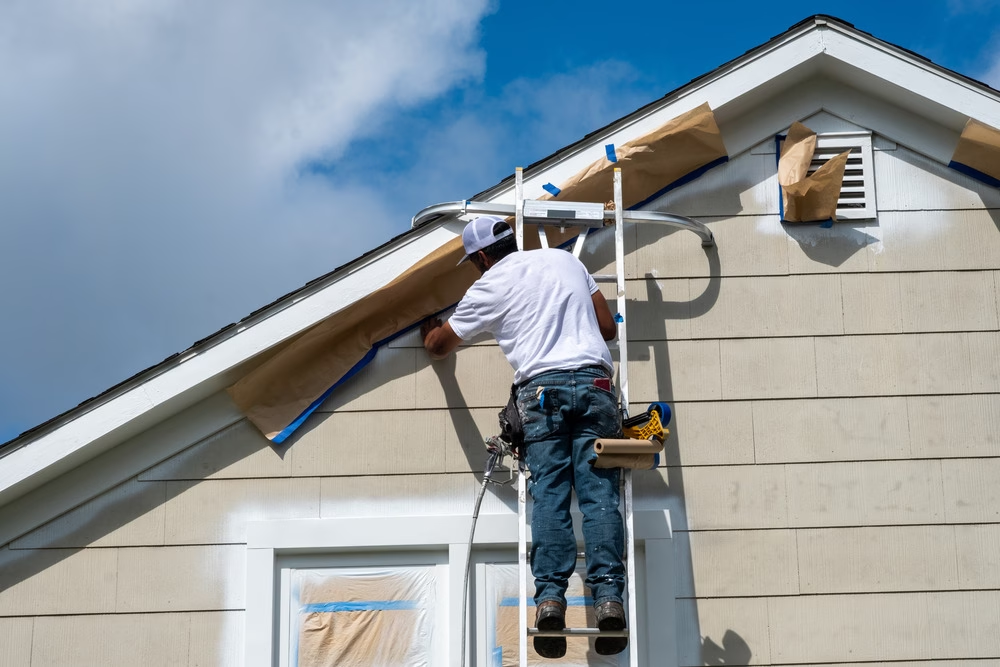
Hiring a professional painting company can give longer-lasting results, mainly because of the prep work, surface cleaning, and application done with proper technique. Skilled painters will address surface problems like peeling, bubbling, or moisture damage that need attention before paint can be applied. DIY painting might work for small rooms or simple touch-ups where the walls are already in good condition. Larger projects, exterior walls, or any areas with peeling or fading often need professional attention because the surfaces need repair and prep before new paint can be applied.
At Colorado Painting, we use high-quality materials and tools to extend the life of our painting projects. Our process reduces the risk of uneven coverage and early peeling. Proper scraping, sanding, priming, and sealing make professional painting durable. If you’re ready to repaint your home, get in touch with us today.