
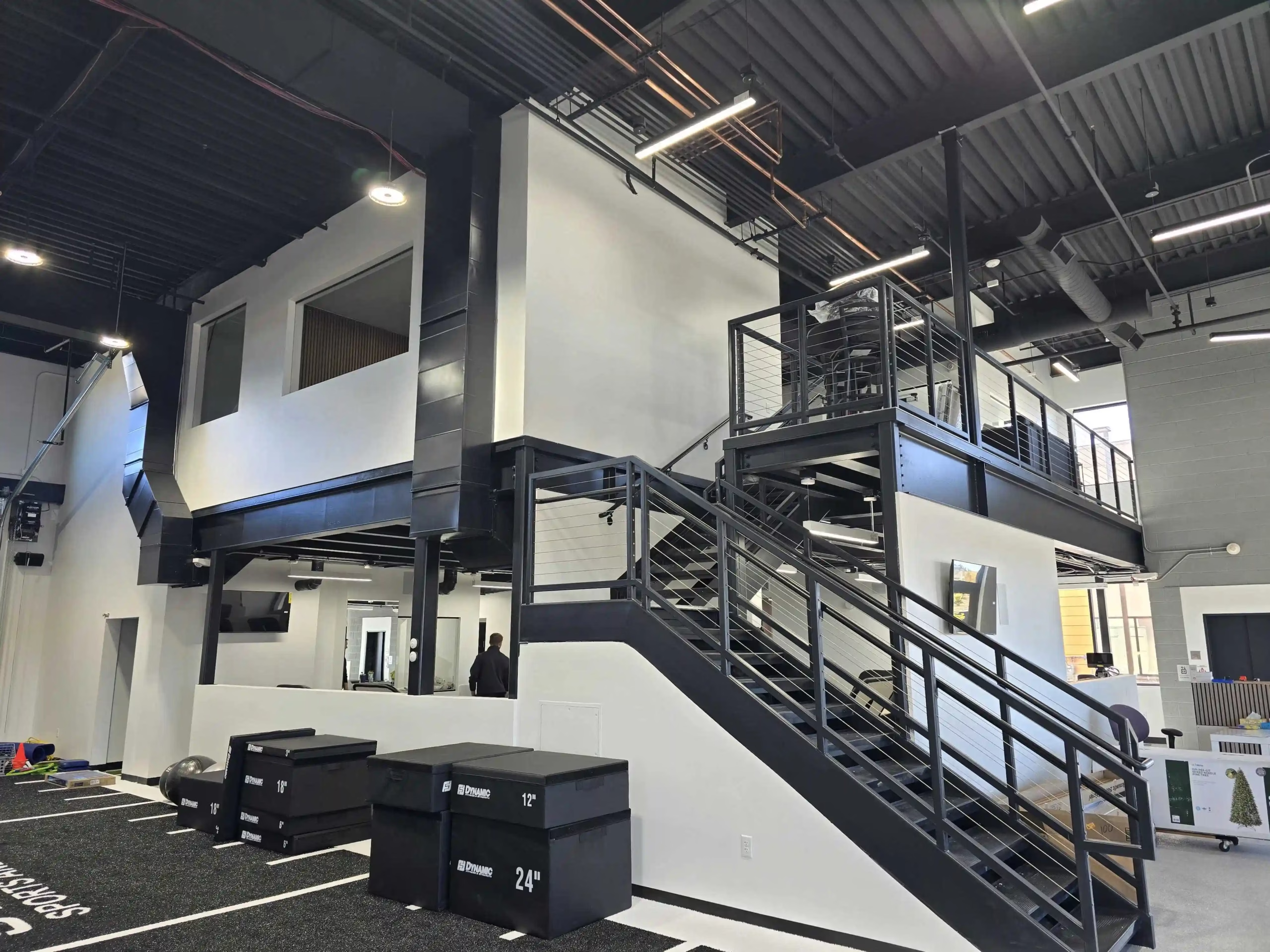
A typical warehouse experiences heavy foot traffic, making it challenging to maintain in an ideal condition. However, a great way to maintain your building’s appearance, aesthetics, and functionality is through warehouse painting. This can be a daunting task, but with a team of professionals at your side, you can execute this project reliably.
Why Interior Warehouse Painting Matters
Painting the interior of your warehouse is an investment that provides benefits beyond aesthetics. It improves maintenance, safety, and even the warehouse’s operational efficiency. It safeguards surfaces from damage and ensures compliance with safety standards and regulations, while simultaneously creating productive and functional spaces for your employees.
Signs Your Warehouse Interior Needs Painting
If you’re unsure whether or not you need to paint your warehouse, take the time to inspect the area. Some damage can be subtle, but they indicate that it’s time to freshen the place up.
Faded, Peeling, or Chipped Paint
Issues such as faded, peeling, or chipped paint affect the building’s professional appearance and also expose the structure to potential damage. If the paint in your warehouse interior isn’t up to standard, it’s a sign your warehouse could use a refresh.
Poor Visibility and Low Lighting Reflection
A warehouse deals with a wide range of operational tasks, many of which are hazardous. Poor visibility and low lighting reflection can greatly impact the safety and efficiency of such tasks. A transformative interior repainting can provide better visibility and increased light reflection, making the area more functional and safer for your workers.
Increased Dust, Stains, or Surface Damage
Increased dust on walls, stubborn stains, and surface damage aren’t aesthetic issues. They’re also against the safety standards of a warehouse. Even something as simple as dust buildup or surface damage can escalate into more severe issues, but a comprehensive paint job resolves these issues and keeps the area cleaner and in better shape.
Safety Markings That Are Worn or Hard to See
Safety markings are common in warehouses, including yellow lines for pedestrian/forklift lanes, red for fire equipment/danger zones, black/yellow stripes for physical hazards, and white for storage or work cells. These markings can fade over time, but that creates safety and compliance issues. A comprehensive interior painting job can help you redo these markings and create an efficient and safe work environment for your team.
Benefits of Painting Warehouse Interiors
Warehouse interior painting is a long-term investment. It offers plenty of lasting benefits for your business and workers alike.
Improved Safety and Visibility
Warehouse painting involves using bright, reflective colors that significantly improve visibility and make the space more functional and productive. A clearly-marked, well-lit warehouse is much safer than one with poor reflectivity or unmarked surfaces.
Protection of Walls, Ceilings, and Structural Surfaces
Proper warehousing interior painting safeguards your walls, ceilings, and structural surfaces from damage from heat and water. Using specialized coatings, warehousing painting contractors can create a professional, protected space that reduces the risks of potential structural damage.
Enhanced Cleanliness and Dust Control
Warehouse interior pointing uses specialized, industry-grade coatings and paints that resist mold, dust accumulation, and bacterial growth. This enhances your warehouse’s cleanliness and shows your workers that you care about their health.
Better Lighting Efficiency
Lighting is a crucial element of warehouse safety. A reliable paint job ensures proper utilization of natural light through reflective paints and maximizes the effectiveness of interior lighting in the warehouse. This not only reduces energy costs but also creates a safer and more welcoming space.
Professional Appearance and Brand Image
You want your warehouse to look professional while staying safe and compliant. You may also want to add a touch of branded colors to your industrial space to reinforce your brand recognition. Proper interior warehouse painting takes into account all these factors to ensure a professional appearance and brand image of your warehouse.
Best Paint Types and Finishes for Warehouses
If you’re planning an interior refresh of your warehouse, planning ahead is key. You’ll want to pick the best paint types and finishes for your warehouse to make the most of your investment.
High-Durability Industrial Coatings
A warehouse needs a durable solution that withstands water or heat damage. Some of the best high-quality, high-durability industrial coatings include Sherwin-Williams’ Emerald® Urethane Trim Enamel and Pro Industrial High Performance Epoxy. These are well-recognized for their ability to withstand harsh conditions and heavy foot traffic.
Moisture- and Chemical-Resistant Paints
Moisture and chemical-resistant paints guard your walls and floors against oil spills, chemical damage, and moisture damage, especially if your warehouse’s walls and floors are porous. Your best options are Sherwin-Williams’ Pro Industrial DTM Acrylic and Pro Industrial™ Water-based Alkyd Urethane.
Low-VOC and Environmentally Friendly Options
Low-VOC and environmentally friendly options reduce irritation and odor during both application and curing. They also show your employees that you care about making your space safer and healthier through sustainable options that reflect well on your brand.
Light-Reflective Paint Finishes
Light-reflective paints are critical for your warehouse safety and lane markings, reducing potential accidents and damages and improving safety. Sherwin-Williams offers several light-reflective paint finishes, including SW 7757 High Reflective White and Reflect-a-Lite Clear Reflective Paint.
Best Practices for Painting Warehouse Interiors
It is possible to ensure long-term results for your warehouse. It’s all about preparation, safety precautions, careful work, and other intentional decisions.
Surface Preparation and Cleaning
Always prepare and clean the surface properly before starting painting. Surface preparation involves thoroughly removing chipped or peeling paint, sanding the surface, applying primer, and ensuring the surfaces are dry before moving on to paint.
Safety Planning and Workflow Coordination
Painting can be a bustling task, and it’s important that you plan for the safety of your employees and workflow so the operations aren’t restricted during the process. Create safe perimeters, use drop cloths and tape masking, and mark areas properly to avoid spills and accidental damage.
Strategic Painting Around Equipment and Inventory
The best way to protect your equipment and inventory during the painting process is to perform painting in phases. Instead of painting the entire warehouse at once, create sections and work through them one at a time. Use plastic sheets and masking tape to protect inventory and equipment from paint splashes.
Minimizing Downtime During Painting Projects
Experts recommend painting outside of business hours to minimize downtime during the painting process. Prepare surfaces properly to ensure quick adhesion and use low-VOC and fast-drying products. Choose the least busiest days of the year to start the project and maintain clear communication with the people involved to avoid misunderstandings.
Warehouse Painting Safety and Compliance Considerations
Safety and compliance are critical to your warehouse interior painting project. A slight misstep or miscommunication can create barriers, or worse, put people at risk. Throughout the process, you’ll want to be proactive and stay compliant. It helps to:
- Perform a structural inspection to ensure structural integrity
- Hire certified, trained, and insured painting contractors
- Ensure that only certified and trained people operate forklifts and heavy equipment
- Ensure adequate airflow to prevent the buildup of toxic fumes
- Store, label, and handle hazardous materials carefully
- Follow OSHA and ANSI Standards
- Create color-coded safety zones
- Use reflective paints to utilize lighting properly and enhance safety
- Perform periodic maintenance to extend the paint’s lifespan
How Often Should Warehouse Interiors Be Repainted?
Typically, warehouse interiors should be painted every 5 to 7 years. A warehouse experiences significant wear and tear, and proper, timely painting helps protect you from regulatory issues and productivity losses. Schedule a maintenance inspection once a year to ensure everything is up to standard.
Working With Professional Warehouse Painting Contractors
Warehouse interior painting can be a daunting, drawn-out task with many potential complications at various stages of the process. However, working with reliable, professional painting contractors for warehousing can make it easier.
Professional contractors know what products, paints, and methods to use and how to ensure a cost-effective, long-lasting job while keeping your safety and protection in mind. If you’re considering warehouse painting, you’re not alone, and our team at Colorado Commercial & Residential Painting is ready to help handle every step of the project. Get in touch today for a quote, and let our experts get to work.