Key Takeaways
- Interior painting is one of the most cost-effective ways to update your home, offering a return on investment of over 100%.
- Proper surface preparation accounts for up to 70% of a successful paint job and determines how long the finish lasts. This includes cleaning and patching.
- The 2026 interior color trends emphasize warm neutrals and nature-inspired greens, with Sherwin-Williams SW 6150 Universal Khaki leading the way.
- Choosing the right paint sheen is just as important as selecting the color, with eggshell and satin being the top choices for living spaces.
- With over 40 years of experience serving the Denver area, Colorado Commercial & Residential Painting provides stress-free interior painting with no deposit required.
Interior painting is one of the most common ways to refresh and update a home or commercial space. It changes the room’s colors, protects the walls, and creates a cleaner and more polished environment. From single-room projects to full properties, interior painting is a practical decision that breathes life into a space.
However, a successful painting project involves more than just picking a color and applying it to the walls. Professional-grade interior painting means preparing surfaces, selecting quality materials, careful application, and planning each stage from start to finish. That’s why professionals like us follow a rigorous, detailed process to ensure a lasting paint job.
What Is Interior Painting?
Interior painting involves applying paint or other coatings to the inside surfaces of a building. It goes beyond simply changing the color of a room. A professional interior paint job protects drywall and plaster, covers signs of wear, and completely transforms the atmosphere of a home or commercial space.
The main difference between interior and exterior painting lies in the paint formulas and the environmental challenges they must withstand. Interior paints are designed to resist daily wear and tear while maintaining low volatile organic compounds (VOCs) for safe indoor air quality. Exterior paints are formulated to endure harsh weather, ultraviolet rays, and extreme temperature fluctuations. Interior paints would fail if used outside, because they lack the protective measures found in exterior paint. At the same time, exterior paint can’t be used indoors because it doesn’t meet indoor air quality standards and takes much longer to cure.
Types of Interior Spaces That Need Painting
Every room in a house has unique painting requirements based on its function and the amount of traffic it receives. This isn’t about color; it’s about choosing the type of paint that would actually benefit the room. You can break this down by:
- Living rooms: These high-visibility areas benefit from eggshell or satin finishes that offer a slight sheen and are easy to wipe clean.
- Bedrooms: Because bedrooms see less wear and tear, flat or matte finishes are often used to hide wall imperfections and create a soft, relaxing look.
- Kitchens: Cooking areas require durable, moisture-resistant paints. Satin or semi-gloss finishes are ideal because they withstand frequent cleaning and resist grease.
- Bathrooms: High humidity makes bathrooms challenging. Semi-gloss paints formulated with mildew-resistant additives are the right choice to prevent peeling and mold growth.
- Hallways and common areas: These narrow spaces endure constant contact and scuffing. Durable satin finishes help protect against daily wear.
- Ceilings and basements: Ceilings require specialized flat paint to minimize light reflection and hide flaws. Basements often need moisture-blocking primers before applying finish coats.
- Offices and commercial interiors: Commercial spaces demand high-durability coatings that can withstand heavy traffic while maintaining a professional appearance.
The Value of Interior Painting
A fresh coat of paint does more than change how your room appears. It provides real benefits that improve the quality of life inside the home while protecting the underlying structure.
Protecting Interior Surfaces
Paint acts as a protective barrier for your walls. It seals out moisture, prevents plaster from crumbling, and protects drywall from everyday wear and tear. High-quality paint helps surfaces last longer and reduces the need for extensive repairs down the road.
Improving Indoor Air Quality
Modern interior paints are formulated with low or zero VOCs. In fact, applying a fresh coat of low-VOC paint can seal in older, off-gassing finishes and reduce dust and allergens that cling to the walls. That can directly lead to a healthier indoor environment.
Enhancing Aesthetic Appeal
The most immediate benefit of interior painting is the visual transformation. A new color scheme can make a small room feel larger, brighten a dark hallway, or bring a dated space into the current decade.
Supporting Mood and Well-Being
Color psychology plays a significant role in how a space feels. Soft options like SW 6177 Softened Green and SW 0068 Copen Blue create a relaxing space, while warmer options like SW 6395 Alchemy can energize a kitchen or home office.
What You Need to Know About Interior Painting
Understanding the scope of an interior painting project helps you plan effectively and ensures no detail is overlooked. However, it involves more than just rolling color onto a wall. You need to know exactly what to expect, what surfaces often need repainting, and more.
What Is Included in Interior Painting Projects?
A comprehensive interior painting project includes extensive surface preparation and the application of finish coats. It also involves moving and protecting furniture, masking off trim and floors, and performing a thorough cleanup once the painting is complete. That’s one benefit of working with professionals like us at Colorado Painting; we handle all the heavy lifting and preparation so you don’t have to worry about a thing.
Common Interior Surfaces That Need Painting
Different surfaces require different preparation methods and paint types to achieve a flawless finish. Some common culprits include:
- Drywall
- Plaster
- Wood trim
- Doors
- Ceilings
- Cabinets
Each of these is exposed to different hardships, so regularly inspect them to determine whether or not it’s time to refresh them.
Signs It’s Time to Repaint Interior Space
No matter how well you care for your paint, there will be a time when wear and tear catch up with the surface. That can lead to a range of problems that don’t just create aesthetic issues; they can easily lead to water intrusion and further damage. Watch for:
- Fading or discoloration
- Peeling, cracking, or bubbling paint
- Scuff marks and stains that won’t disappear
- Visible dents, scratches, or surface damage
- Outdated colors that no longer suit the space
- Uneven coverage or patchy areas.
When one or more of these appear, it’s time to update the area.
Common Interior Painting Mistakes to Avoid
Many homeowners attempt to paint their own interiors, only to encounter frustrating problems. Skipping surface preparation is the most common mistake, leading to peeling paint and visible patches. Many people also forget to use painter’s tape, but that leads to sloppy linework and splashes of paint on unwanted areas. Plus, applying a second coat before the first has fully dried can cause the paint to bubble or lift. Hiring a professional team ensures these issues are avoided entirely.
The Interior Painting Process Step by Step
Achieving a professional finish requires a systematic approach. That’s why professionals follow a tried-and-true sequence to ensure that the paint adheres and looks great for years to come.
Initial Consultation and Color Selection
The process begins with understanding your goals and selecting the right colors. Testing color swatches in the actual room is a must because lighting dramatically changes how a color appears. The right contracting team will give you time to observe how the color changes throughout the day and provide their professional opinion on which colors will best serve each room.
Surface Inspection and Repairs
Before any paint is opened, the walls must be inspected. We look for nail pops, cracks, water damage, and peeling paint. Addressing these issues early prevents them from ruining the final finish.
Room Preparation and Protection
Protecting your home is a top priority. We move all furniture to the center of the room and covered it with clean drop cloths. We’ll then lay heavy-duty canvas or plastic over the floors, and apply painter’s tape to all trim and windows to create sharp, clean lines.
Surface Preparation
This is the most critical phase of the project. In fact, professional painters like our team spend up to half their time on preparation.
Cleaning Surfaces
Walls must be clean and free of dust and grease. A mild detergent or degreaser is used, particularly in kitchens, to ensure the new paint bonds securely to the surface.
Sanding and Smoothing
Lightly sanding the walls removes small bumps and helps the new paint adhere better. Glossy surfaces must be scuff-sanded to remove the shine before painting.
Patching Holes and Cracks
Nail holes and dents are filled with a lightweight spackling compound. Once dry, the patches are sanded smooth so they blend seamlessly with the rest of the wall.
Caulking Gaps
Gaps between the walls and the trim are filled with paintable caulk. This creates a seamless transition and prevents dark shadow lines from appearing.
Priming Surfaces
Primer is applied to patched areas, bare drywall, or over dark colors. It seals the surface, blocks stains, and provides an even base for the finish coats, ensuring true color representation.
Paint Selection and System Planning
Choosing the right paint involves selecting the correct formulation and sheen for the specific room. A two-coat system is the professional standard for ensuring full coverage and maximum durability.
Interior Painting Application Methods
Different tools are used for different parts of the room to achieve the best results. No technique can be used universally; instead, we always choose the right approach for each part of the job.
Brush Painting
High-quality angled brushes are used to paint the edges where walls meet ceilings and trim. This requires a steady hand and precise control, and we use painter’s tape when needed to prevent spill-over.
Roller Painting
Rollers are used to cover the large, flat areas of the walls. Our experts use reliable techniques to distribute the paint evenly and prevent visible overlap marks.
Spray Painting
For large, empty rooms or intricate surfaces like louvered doors and cabinets, an airless paint sprayer provides a smooth, flawless finish much faster than brushing or rolling.
Drying, Touch-Ups, and Second Coats
Patience is required between coats. The first coat must dry completely according to the manufacturer’s instructions before the second coat is applied. Once the final coat is dry, we’ll inspect the walls for any thin spots or missed edges and touch up any areas that need it.
Final Inspection and Quality Check
A thorough walkthrough ensures the job meets our high standards. We check for clean lines, even coverage, and a consistent sheen across all painted surfaces. Since we guarantee quality results, we conduct a thorough inspection. Once we’re done, we return the room to its original state, remove all tape and dropcloths, and leave your home cleaner than we found it, with nothing left behind but beautiful new walls.
Choosing the Right Paint for Interior Walls
Selecting the right paint is about more than just picking a pretty color. The formulation and finish you choose will determine how well the paint holds up to daily life and how easy it is to maintain.
Types of Interior Paint
Interior paints are formulated different than exterior paints. They prioritize indoor air quality and washability over weather resistance. The exact result we achieve depends heavily on the exact type of interior paint we use.
Latex Paint
Latex, or water-based paint, is the most popular choice for interior walls. It dries quickly, cleans up easily with soap and water, and emits fewer odors than oil-based options. It’s ideal for living rooms and bedrooms.
Acrylic Paint
Acrylic paint is a premium water-based option that offers superior adhesion and flexibility. It resists fading and holds up exceptionally well in high-moisture areas, making it a top choice for premium interior finishes.
Enamel Paint
Enamel paint dries to a hard, durable finish. While historically oil-based, many modern enamels are water-based urethanes that provide a tough, washable surface perfect for cabinets and trim.
Oil-Based Paint
Oil-based paint provides an incredibly smooth and durable finish, but it has largely fallen out of favor for interior walls due to high VOC levels and strong odors. It’s sometimes still used for heavy-duty trim or cabinet work, though water-based alternatives are now preferred.
Low-VOC and Zero-VOC Paints
Volatile organic compounds (VOCs) are the chemicals that cause the strong “new paint” smell. Low-VOC and zero-VOC paints are formulated to minimize these emissions, making them the safest choice for homes, especially in nurseries or bedrooms.
Specialty Interior Coatings
Standard latex paint isn’t always enough. Certain areas of the home require specialty coatings designed for specific challenges. There are specialty interior coatings for these areas, including:
- Washable paints: Formulated for high-traffic areas like hallways and kids’ rooms, these paints allow you to wipe away marks without removing the finish.
- Stain-resistant coatings: Ideal for kitchens and dining rooms, these coatings repel food splatters and liquids.
- Moisture-resistant paints: Designed for bathrooms and laundry rooms, these acrylic formulas contain additives that prevent mildew growth in humid environments.
- Cabinet coatings: High-gloss or satin enamels provide a tough, factory-like finish that stands up to the daily opening and closing of cabinet doors.
These aren’t used for every situation, but they shine if the situation calls for them.
Interior Paint Finishes Explained
The finish, or sheen, of the paint affects both its appearance and its durability. You have several options available, each with its own cosmetic and practical benefits.
Flat & Matte
Flat paint absorbs light, which helps hide surface imperfections like dents or uneven drywall. It has a velvety look but is difficult to clean, making it best suited for ceilings and low-traffic adult bedrooms.
Eggshell
Eggshell has a slight luster, resembling an egg’s surface. It’s the most popular choice for living areas because it balances a soft appearance with moderate washability.
Satin
Satin finish has a noticeable sheen and is highly durable. It resists moisture and is easy to wipe down, making it the go-to choice for kitchens and bathrooms.
Semi-Gloss
Semi-gloss reflects a significant amount of light and is extremely tough. It’s the standard finish for trim and doors. This is where durability and easy cleaning are paramount.
High Gloss
High gloss provides a glass-like finish that is incredibly durable but highlights every flaw in the surface beneath it. It’s typically reserved for cabinets or bold accent details.
How to Choose Interior Paint Colors
Color selection is a personal choice, but understanding how colors interact with light and space can help you make a decision you’ll love for years. The right color can completely change the atmosphere of a space. Light, cool colors can make a small room feel airy and spacious, while dark, warm colors create a sense of intimacy and coziness.
Choosing Colors for Living Rooms
Living rooms are gathering spaces, so warm, welcoming colors work best. Earthy neutrals, soft greiges, and warm off-whites like SW 7566 Westhighland White create a comfortable backdrop that complements a wide variety of furniture and decor styles.
Choosing Colors for Bedrooms
Bedrooms should be sanctuaries for rest. Cool, muted tones, like SW 6177 Softened Green and SW 9688 Modern Lavender, promote relaxation and help improve sleep quality.
Choosing Colors for Kitchens
Kitchens benefit from clean, uplifting colors. Yellows like SW 6681 Butter Up or gentle grays like SW 9587 Mushroom can make the space feel bright and inviting. If you want a pop of color, consider painting the lower cabinets a deeper shade like SW 9178 In the Navy.
Choosing Colors for Bathrooms
Bathrooms look best in colors that evoke cleanliness and tranquility. Spa-like blues like SW 6294 Sea Salt and crip whites like SW 7006 Extra White help create a refreshing environment. Remember that bathroom lighting can be harsh, so test colors carefully.
Choosing Colors for Offices and Workspaces
Home offices require colors that promote focus without causing eye strain. Muted greens like SW 6178 Clary Sage and warm beiges like SW 7036 Accessible Beige are excellent choices because they reduce visual fatigue and create a calm, productive atmosphere.
Neutral vs. Bold Interior Color Schemes
Neutral color schemes provide a timeless, flexible foundation that makes it easy to update decor over time. Bold color schemes make a strong statement and add personality, but they can be harder to match with furniture and may feel dated more quickly.
How to Test Paint Colors Before Committing
Never rely solely on a small paper swatch. Purchase sample pots and paint large squares on different walls in the room. Observe how the color changes throughout the day as the natural light shifts from morning to evening.
Interior Painting Trends for 2026
Staying current with design trends ensures your home feels fresh and modern.
Popular Interior Color Trends
The stark whites and cool grays of the past are being replaced by warm, earthy tones. Options like SW 6149 Relaxed Khaki and SW 2803 Rookwood Terra Cotta are the defining colors of 2026.
Minimalist and Neutral Design Trends
Warm minimalism is highly popular, utilizing soft, creamy off-whites like SW 7562 Roman Column and greiges to create uncluttered, serene spaces that feel inviting rather than sterile.
Bold Accent Walls and Feature Spaces
While main walls remain neutral, homeowners are using rich, dark colors like SW 3064 Espresso or SW 6244 Naval on single accent walls to create depth and visual interest.
Matte and Soft Finish Popularity
Flat and matte finishes are making a comeback in living areas, prized for their ability to absorb light and create a soft, velvety aesthetic.
Room-by-Room Interior Painting Guide
Every room presents unique challenges and requires specific approaches to achieve the best results.
Living Room Painting Considerations
Living rooms often have large wall expanses and multiple light sources. An eggshell finish helps minimize glare from windows while providing enough durability to withstand daily use.
Bedroom Painting Considerations
Bedrooms are the perfect place to experiment with darker, moodier colors since they are primarily used at night. A flat or matte finish enhances the cozy, enveloping feel of the space.
Kitchen Painting Considerations
Kitchen walls are exposed to cooking grease and steam. So, a satin or semi-gloss finish is mandatory here to allow for frequent scrubbing without damaging the paint.
Bathroom Painting Considerations
Moisture is the enemy of bathroom paint. Always use a high-quality, moisture-resistant acrylic paint with mildewcides, and ensure the room is well-ventilated during and after painting.
Hallways and High-Traffic Areas
Hallways take a beating from hands and pets. A durable satin finish or a specialized scuff-resistant paint will keep these narrow corridors looking clean.
Ceilings and Trim Painting Considerations
Always paint the ceiling before the walls to avoid dripping on fresh paint. Use a flat, spatter-resistant ceiling paint. For trim, wait until the walls are completely dry, tape carefully, and use a semi-gloss enamel to achieve a sharp, durable finish.
Basement Interior Painting Considerations
Basements often suffer from low light and high humidity. Light, warm colors help brighten the space, while masonry primers and moisture-resistant paints protect against dampness.
Cabinet Painting and Refinishing Considerations
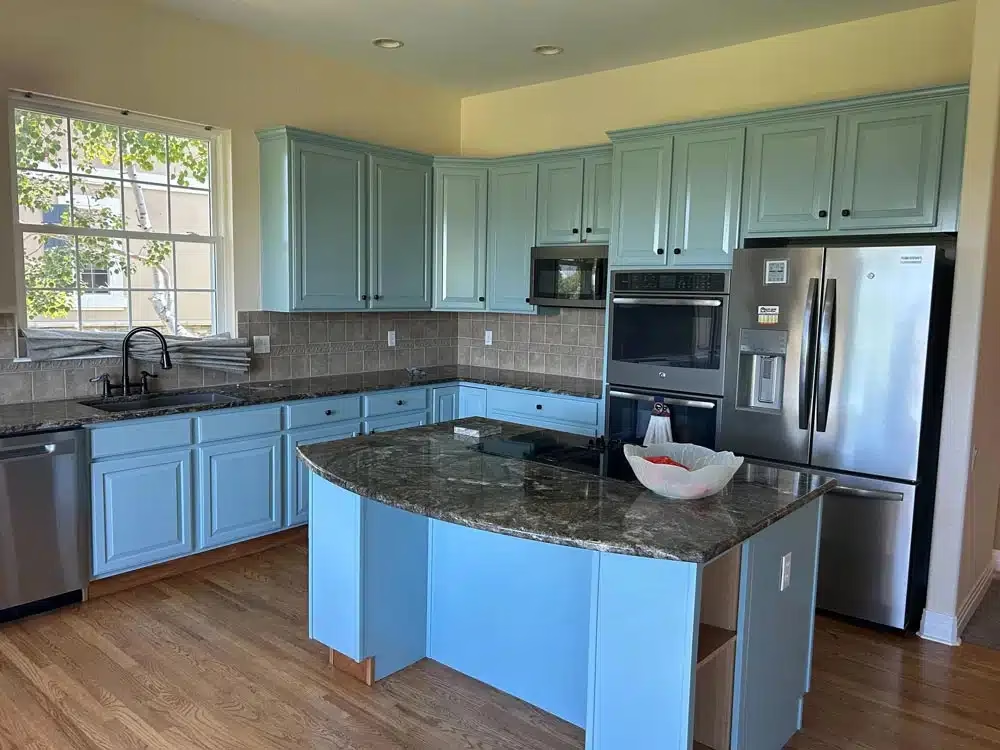
Painting cabinets is a cost-effective way to update a kitchen, but it requires meticulous preparation. Doors must be removed and sanded. Then they are primed with a bonding primer before applying a hard-wearing urethane enamel.
Best Time for Interior Painting
While exterior painting is heavily dependent on the weather, interior painting offers much more flexibility. You don’t need to worry about harsh weather, wind, or UV exposure that could otherwise affect the finish.
Can Interior Painting Be Done Year-Round?
Fortunately, interior painting can be completed at any time of the year. Because the work is done in a climate-controlled environment, you don’t have to worry about rain or extreme temperature fluctuations ruining the finish.
Seasonal Considerations for Interior Projects
Winter is often an excellent time for interior painting. The dry winter air helps paint cure faster, and professional painters are typically more available during the colder months, when exterior work slows.
Scheduling Painting to Minimize Disruption
To minimize the impact on your daily life, schedule the painting project room by room. This allows you to maintain functional living spaces while the work is being completed. When you work with us at Colorado Painting, we’ll take the time to create a schedule that fits your lifestyle.
Night and Weekend Interior Painting Options
For commercial properties or busy households, some painting contractors offer flexible scheduling, including night or weekend shifts, to ensure the project is completed with minimal interruption to your business or family routine.
How Long Does Interior Paint Last?
Paint does not have a strict expiration date on the wall. Its lifespan depends heavily on the environment and how the space is used. In a typical home, interior paint generally lasts between five and ten years before it begins to look tired or faded. However, this average varies significantly from room to room. In busy areas like hallways and stairwells, paint may only last three to five years before scuffs make repainting necessary. The paint’s lifespan is affected by:
- Surface preparation: Paint applied to a clean, well-primed wall will adhere better and last years longer than paint applied over dirt or glossy finishes.
- Paint quality: Premium paints contain better binders that resist fading and scrubbing.
- Traffic levels: Rooms that see constant use will naturally show wear much faster.
- Cleaning frequency: Abrasive cleaning can wear down the paint finish over time.
- Environmental conditions: High humidity in bathrooms or direct UV sunlight in living rooms can degrade paint prematurely.
To get the most out of your paint job, use soft sponges and mild soap for cleaning rather than harsh chemicals. Address small touch-ups quickly, and ensure high-moisture rooms like bathrooms have adequate ventilation to prevent peeling. With the right preparation and care, your interior paint can last for years to come.
Interior Painting Costs in 2026
In 2026, the national average cost to paint the interior of a home ranges from $1,800 to $12,000, depending on the home’s size and the scope of work. For a typical 2,000-square-foot house, most homeowners spend between $4,200 and $9,500. However, the specific price will be affected by factors such as:
The specific price is affected by:
- Room size
- Surface condition
- Paint type and quality
- Labor costs
- Furniture moving and prep work
- Ceiling height and complexity
If you are tackling the project one space at a time, the average cost to have a professional paint a single room falls between $300 and $1,000. Bedrooms are often simpler to paint, while basements tend to require more advanced preparation. Professional painters typically charge between $2 and $6 per square foot of wall space, but that increases if they need to work on ceilings, trim, doors, or hard-to-reach surfaces.
Interior Painting Safety and Best Practices
Safety should always be a priority during any home improvement project, whether you are doing it yourself or hiring professionals.
Ventilation and Air Quality Considerations
Proper airflow is non-negotiable when painting. Open windows and use fans to circulate fresh air and help dissipate paint fumes, even when using modern formulations. You should also choose low-VOC or zero-VOC paints, which significantly reduce the emission of harmful chemicals.
Ladder and Equipment Safety
Falls are a major risk during painting. Always use a sturdy ladder placed on a flat, even surface, and never overreach. Take your time, and prioritize safety at every moment. Even a small fall could lead to lasting consequences.
Protecting Furniture and Flooring
Heavy-duty drop cloths and secure painter’s tape are necessary to prevent accidental spills from ruining expensive flooring or heirloom furniture. That’s why professional painters go above and beyond to protect every possible surface.
Child and Pet Safety During Painting
Keep children and pets out of the work area to prevent them from inhaling fumes, knocking over paint cans, or tracking wet paint through the house.
How to Prepare Your Home for Interior Painting
A little preparation on your end makes the painting process smoother and faster for the crew.
- Prepare individual rooms: Clear the room of small items and fragile decor before the painters arrive to let the team work more efficiently.
- Move and cover furniture: Move large furniture to the center of the room so the painters have clear access to the walls.
- Protect floors and fixtures: Ensure all rugs are rolled up and removed, and let the painting team cover floors and tape off fixtures.
- Clean the walls and prepare the area: While professionals handle the heavy prep, you can help by wiping down the walls.
- Remove wall decor and hardware: Take down all pictures and mirrors. If you plan to hang them in the exact same spot, leave the nails in the wall.
Don’t forget to communicate with your painting contractor to establish a clear schedule. They can walk you through what to expect and how you can help set things up for success.
Interior Painting for Different Property Types
The approach to interior painting shifts depending on the type of property and its intended use.
Single-Family Homes
Homeowners prioritize personal style and long-term durability, often selecting premium paints and custom color palettes that reflect their tastes.
Apartments and Condos
These properties often require coordination with homeowners’ associations and strict adherence to designated work hours and noise restrictions.
Rental Properties
Landlords typically prefer durable, neutral colors in eggshell or satin finishes that appeal to a wide range of tenants and are easy to touch up between leases.
Commercial Interior Spaces
Commercial painting focuses on efficiency and minimizing downtime. High-traffic areas require heavy-duty coatings.
Hospitality and Hotel Interiors
Hotels demand flawless finishes that convey luxury and cleanliness, often utilizing specialized wallcoverings and high-end paints.
Healthcare and Medical Facilities
Medical environments require zero-VOC, antimicrobial paints that withstand rigorous daily cleaning with harsh chemical disinfectants.
Offices and Workspaces
Office painting prioritizes colors that enhance productivity and reduce glare, often utilizing durable finishes in hallways and breakrooms.
Interior Painting Maintenance Tips
Once your home is freshly painted, a little maintenance goes a long way in keeping the walls looking new. From regular cleaning to long-term maintenance, each of these steps plays a role in extending your paint’s lifespan.
Routinely Clean Painted Walls
Dust your walls regularly with a microfiber cloth. For smudges, use a soft sponge and a mild soap solution. Never use abrasive scrubbers, as they will dull the paint’s finish.
Prevent Scuffs and Damage
Place felt pads on the back of furniture that rests against the walls, and install doorstops to prevent handles from punching holes in the drywall.
Touch-Ups and Spot Repairs
Keep a small amount of leftover paint stored in an airtight container in a cool, dry place. When touching up a scuff, use a small brush and feather the edges to blend the new paint with the old.
Managing Moisture in Kitchens and Bathrooms
Always run the exhaust fan during and after showers or cooking. Reducing humidity prevents the paint from blistering and stops mildew from taking hold.
Perform Long-Term Maintenance
Inspect high-traffic areas annually. Catching and touching up small areas of wear prevents them from becoming larger issues that require a full room repaint.
DIY vs. Professional Interior Painting
Deciding whether to paint a room yourself or hire a professional comes down to your budget, available time, and desired quality.
Cost Comparison
DIY painting saves money on labor, costing only the price of paint and supplies. However, hiring a professional ensures the job is done correctly the first time, and that saves you the cost of fixing mistakes later.
Time and Effort Requirements
A professional crew can paint an entire house in a few days. A homeowner tackling the same project on weekends might spend a month or more living in a construction zone.
Equipment and Material Considerations
Professionals arrive with high-end brushes, heavy-duty drop cloths, extension poles, and sprayers. Buying all this equipment for a single DIY project quickly eats into the potential savings.
Quality Differences
Experienced painters know how to cut in perfectly straight lines, achieve a flawless finish without roller marks, and properly prepare the walls. The difference in the final appearance is usually obvious.
How to Hire the Right Interior Painting Contractor
Choosing the right contractor is just as important as choosing the right paint.
Questions to Ask Before Hiring
Ask potential contractors how long they have been in business, what their preparation process entails, and whether they use subcontractors or their own employees. Pay attention to their answers because transparency here tells you whether they are trustworthy.
What to Look for in an Estimate
A professional estimate should be detailed and in writing. It must specify the brand and type of paint being used, the number of coats, and the exact scope of the prep work included.
Licensing and Insurance Requirements
Never hire a contractor who can’t provide proof of general liability insurance and workers’ compensation. This protects you from financial liability if an accident occurs on your property.
Experience and Portfolio Evaluation
Look for a company with a proven track record. Check online reviews and ask to see photos of recent interior projects similar to yours.
Red Flags to Watch For
Be wary of contractors who demand a large upfront deposit, refuse to put the estimate in writing, or pressure you to make an immediate decision.
Importance of Local Experience
A local contractor understands the specific architectural styles and climate challenges of your area, ensuring they select the right products for your home.
When to Hire Professional Painters
Ready to transform your home with a fresh new look? Colorado Commercial & Residential Painting makes the process easy and stress-free. With over 40 years of experience serving the Denver area, our team brings unmatched expertise to every residential and commercial project. We deliver high-quality results with exceptional communication, and we don’t accept payment until the job is complete and you are fully satisfied.
Enjoy peace of mind with our anytime cancellation policy and our comprehensive warranty. We’re ready to turn your interior space into a lively, welcoming place that you love. Contact us today to schedule your estimate and see the difference a professional paint job can make.