Key Takeaways
- Commercial painting requires specialized equipment, strict safety protocols, and experienced crews to handle large-scale projects efficiently.
- Exterior paint in Denver typically lasts three to five years due to intense ultraviolet radiation and freeze-thaw cycles, while interior paint can last five to seven years.
- The average cost for commercial painting ranges from $2 to $6 per square foot, depending on the building size, surface condition, and paint quality.
- Proper surface preparation, including power washing and scraping, is critical to ensuring the longevity of any commercial paint job.
- Colorado Commercial & Residential Painting offers no upfront deposits, an anytime cancellation policy, and a 4 to 10-year warranty on exterior projects.
The paint on your building serves as the first line of defense against the elements and plays a major role in how customers perceive your business. However, maintaining a commercial property in excellent condition requires more than just basic upkeep. It requires commercial painting and specialized coatings to enhance the building’s appearance and protect its structural integrity. And in areas like Denver, with unique climate challenges, hiring a team of professionals is key to ensuring that the job is done right—the first time.
What Is Commercial Painting?
Commercial painting focuses on large-scale properties that require durable finishes, specialized equipment, and careful project management. Unlike residential painting, commercial services need to be carefully scheduled, often involve working at heights, and require complex logistics to minimize risks and disruptions to businesses or facilities.
Commercial vs. Residential Painting
The main difference between commercial and residential painting lies in the scale of the work and the materials used. Residential painting focuses on smaller spaces, with the main focus on aesthetics and personal preferences to create a warmer, relaxing environment that reflects the homeowner’s personality. On the other hand, commercial painting involves much larger facilities and industrial-grade products designed to withstand heavy foot traffic, harsh weather, and extreme conditions.
Types of Commercial Properties That Need Painting
Different businesses have unique painting requirements based on their daily operations and customer traffic. Professional painting crews handle a wide variety of commercial structures, including:
- Office buildings
- Retail stores
- Warehouses
- Industrial facilities
- Restaurants and hospitality
- Healthcare facilities
- Educational institutions
- Multi-family and HOA properties
Each of these projects must be performed with a different goal in mind. For example, while a retail store may want color schemes and patterns that accent specific areas, a warehouse requires durable paint that maximizes efficiency and reduces long-term maintenance needs.
Why Commercial Painting Matters for Businesses
A fresh coat of paint does much more than improve the look of a building. It provides essential protection and delivers a strong return on investment for property owners.
Protecting Building Surfaces and Assets
Paint acts as a protective shield against environmental damage. With high-quality commercial-grade coatings, you can prevent moisture from seeping into walls, which helps stop mold growth and structural rot. This also works on metal surfaces, where industrial paint prevents rust and corrosion to extend the life of the building materials.
Enhancing Brand Image and Professional Appearance
The exterior of your building is often the first thing potential customers see. A well-maintained property conveys professionalism and attention to detail, and by using consistent brand colors across your facility, you can reinforce your company’s identity and stand out in the market.
Improving Employee Productivity and Workplace Morale
The physical work environment directly influences how employees feel and perform. Clean, freshly painted walls in carefully chosen colors can reduce visual strain and create a more inviting atmosphere. With a bright, well-cared-for workspace, you’re also showing your team that you value their comfort.
Increasing Property Value
Potential buyers and tenants view a freshly painted building as a sign that the property has been well managed. That means that regular painting maintenance is a proven way to increase the market value of a commercial property, even leading to higher lease rates.
Supporting Customer Experience
A deteriorating exterior with peeling paint can drive foot traffic away before people even walk through the door. On the other hand, customers naturally gravitate toward businesses that look clean and inviting. Keeping your property looking sharp ensures that every visitor has a positive experience from the start.
Reducing Long-Term Maintenance Costs
Investing in professional painting services helps you avoid expensive repairs down the road. Paint seals cracks and protects the underlying surfaces from weather damage. It also prevents minor issues from becoming major structural problems that require costly fixes.
Meeting Safety and Compliance Standards
Many industries have strict regulations on facility maintenance, especially healthcare and food service operations that require specific antimicrobial coatings to maintain hygiene. Keeping your building painted with the appropriate compliant materials ensures you meet local health and safety codes.
Interior Commercial Painting: Everything You Need to Know
Interior commercial painting requires careful planning. The right contractor will use the right materials to create a durable and attractive indoor environment while ensuring all work is completed without shutting down your business.
What Is Included in Interior Commercial Painting?
An interior painting project covers everything from the initial surface preparation to the final cleanup. The crew will repair damaged drywall, tape off trim, and protect your furniture and flooring. After applying the necessary primer and topcoats, they conduct a thorough inspection to ensure the finish is flawless, then clean the entire site.
Signs Your Commercial Building’s Interior Needs Painting
If your interior paint begins to fail, it leaves a building looking unfinished. It also exposes the underlying surfaces and structures to all kinds of damage. Watch for:
- Peeling
- Bubbling
- Cracking
- Gaps, especially near seams
- Chips
If you notice any physical damage to the walls or any unusual signs, it’s time to call a contractor.
Common Commercial Interior Spaces That Need Painting
Every section of a commercial building experiences different levels of wear and tear. A professional team knows how to address the specific needs of each area. They can use their expertise to handle almost any area, including:
- Offices
- Hallways and common areas
- Conference rooms
- Retail interiors
- Restaurants and hospitality spaces
- Healthcare facilities
- Schools and universities
Whether you have a smaller room or a large, open area, the right professional painting contractors can address your needs, solve any problems that arise, and deliver long-lasting and durable results that last for years.
Walls, Ceilings, Trim, Doors & High-Traffic Areas
High-traffic zones like hallways and lobbies require scuff-resistant finishes that can withstand constant use, while doors and trim often need durable semi-gloss paints that are easy to wipe down. Meanwhile, ceilings usually receive flat finishes to hide imperfections and reduce glare from overhead lighting. Contractors use their experience to make the right decision for each surface, ensuring the paint looks and performs well.
Low-VOC and Odor-Control Paint Options
Indoor air quality is a major concern during any commercial painting project. Low-VOC (volatile organic compound) and zero-VOC paints minimize harmful emissions and strong odors. These eco-friendly options allow businesses to remain open and keep employees comfortable while work is being completed.
Specialty Interior Coatings
Standard latex paint isn’t always enough for commercial environments. Specialized coatings provide the extra protection needed for demanding spaces, including washable coatings for cafeterias and break rooms, antimicrobial coatings for medical clinics and restrooms, and durable finishes for heavy-traffic areas like warehouse floors.
Common Interior Commercial Painting Mistakes to Avoid
Skipping surface preparation is the most frequent error in interior painting. If you don’t properly prepare the area, you end up painting over dust and grease, and that almost guarantees that the new coat will fail quickly. Another common mistake is choosing the wrong paint sheen, such as using a flat finish in a high-traffic corridor where it will be impossible to clean. Professional painters know how to prepare and paint each surface with the right materials.
Exterior Commercial Painting: The Complete Breakdown
A strong exterior paint job protects your investment and elevates your curb appeal. However, painting the outside of a commercial building requires heavy-duty materials, specialized knowledge of local weather patterns, and expert skills to ensure the job is done right.
What Is Included in Exterior Commercial Painting?
Exterior projects begin with a comprehensive inspection and thorough cleaning, usually via power washing. The crew will scrape away loose paint, caulk gaps, and prime bare spots before applying the finish coats. They also use any necessary equipment to safely work at heights and in hard-to-reach areas.
Signs Your Commercial Building Needs Repainting
When exterior paint fails, it leaves your building vulnerable to the elements. That can lead to serious long-term damage to the rest of the building. You should watch for:
- Peeling
- Chalking
- Fading
- Bubbling
- Rust
- Moisture damage
Painting Different Commercial Exterior Materials
Commercial buildings are constructed from a variety of substrates, and each requires a different approach to ensure the project’s success.
Stucco
Stucco is highly porous and prone to cracking as the building settles. This is why painters use elastomeric paint as the best choice for stucco, as it stretches to bridge small gaps and provides a waterproof seal.
Concrete & Masonry
Concrete surfaces need breathable coatings that allow trapped moisture to escape. Proper priming is essential to prevent the masonry’s high alkalinity from degrading the new paint.
Brick
Painted brick requires meticulous cleaning to remove efflorescence before any new coating is applied. Here, high-quality acrylic latex paint works well, as it repels water while allowing the structure to breathe.
Metal Surfaces
Metal siding and roofs expand and contract significantly with temperature changes. These surfaces require direct-to-metal acrylics or rust-inhibiting primers to prevent corrosion and flaking over the years.
EIFS
Exterior Insulation and Finish Systems (EIFS) provide excellent energy efficiency but require specialized acrylic coatings. Using the wrong paint on these can lead to trapped moisture, which eventually causes the entire system to fail.
Fiber Cement
Fiber cement siding is incredibly durable and holds paint very well. A premium 100% acrylic paint provides excellent coverage and long-lasting color retention on this material.
Wood & Composite Materials
Wood siding must be completely dry before painting to prevent rot. High-quality acrylics are preferred because they flex with the wood as it responds to changes in humidity. Otherwise, paint can crack or create gaps that allow moisture to enter.
Industrial Painting and Protective Coatings
Industrial facilities require coatings that prioritize function and protection over aesthetics. These specialized paints defend against harsh chemicals, extreme temperatures, heavy machinery, and high foot traffic.
What Is Industrial Painting?
Industrial painting involves applying heavy-duty coatings to factories, warehouses, and manufacturing plants. The primary goal is to protect the facility and its equipment from corrosion and daily wear. Due to the nature of these areas, industrial painting requires advanced surface preparation and high-quality materials to ensure the coatings bond permanently.
Protective Coatings for Commercial Buildings
Protective coatings are a barrier against severe environmental stress. They’re chemically formulated to resist spills, moisture, and heavy abrasion. With the right industrial coating, you can extend the lifespan of expensive infrastructure and reduce the risk of future maintenance, leading to significant savings over time.
Epoxy Coatings
Epoxy coatings consist of a resin and a hardener that create a tough, seamless surface. They’re incredibly resistant to chemicals and stains, making them the standard choice for industrial floors and commercial kitchens.
Anti-Corrosion Coatings
Metal structures exposed to moisture or salt require anti-corrosion coatings to prevent rust. However, zinc-rich primers can provide cathodic protection by sacrificing themselves over time to protect the underlying steel.
Waterproof & Weatherproof Coatings
Waterproof coatings seal the building to stop leaks and water damage. That’s why elastomeric paints are frequently used on masonry and stucco. Their thick, flexible nature bridges hairline cracks and locks out rain and moisture to keep the underlying surface and structure protected.
Fire-Resistant Coatings
Intumescent coatings provide passive fire protection for steel, wood, and other structural materials. When exposed to high heat, these paints swell and form an insulating char layer. This delays structural collapse and gives occupants crucial time to evacuate, which can be invaluable in case of an emergency.
Floor Coatings for Commercial & Industrial Spaces
Bare concrete floors generate dust and easily absorb spills. Industrial floor coatings, such as polyurethanes and epoxies, seal the concrete and create a smooth, easy-to-clean surface. These coatings also often include slip-resistant additives to keep workplaces safe.
High-Durability Coatings for Heavy-Traffic Environments
Facilities with forklift traffic and heavy machinery need coatings that will not chip or peel under pressure. Urethane coatings provide excellent abrasion resistance and maintain their glossy finish, even in the most demanding industrial settings.
The Commercial Painting Process Step by Step
A successful commercial painting project relies on a structured, meticulous process. Professional contractors follow strict procedures to deliver high-quality results with minimal disruption.
Initial Consultation and Site Assessment
The project begins with a detailed walk-through of the facility. The contractor evaluates the building’s size, the condition of the existing paint, and any access challenges. This assessment helps them provide an accurate estimate and recommend the best products for the job.
Surface Inspection and Repairs
Before any painting starts, the crew inspects the surfaces for underlying damage. They look for wood rot, failing caulk, cracks in the masonry, and other serious signs of damage, then address them immediately. This ensures that the new paint has a solid foundation to adhere to.
Project Planning and Scheduling
Commercial painting requires careful coordination to keep your business running smoothly. The contractor works with you to establish a timeline, often scheduling work at night or on weekends. They’ll also arrange for any necessary equipment, such as scaffolding or boom lifts, to be delivered to the site.
Surface Preparation
Paint will not stick to dirt, grease, or peeling layers, so surface preparation is the most critical phase of the entire project. A thorough prep job guarantees the longevity of the finish.
Power Washing
Power washing removes years of accumulated dirt, mildew, and chalky residue from the exterior. This provides a clean slate and reveals areas where the old paint is failing.
Scraping and Sanding
Crews manually scrape away loose and flaking paint to create a smooth surface. They then sand the edges of the remaining paint to blend them into the bare material underneath and prevent visible lines under the new coat.
Caulking and Sealing
Painters apply high-quality elastomeric caulk around windows, doors, and expansion joints. This seals the building against drafts and moisture intrusion, which significantly increases the likelihood of the paint lasting longer.
Surface Repairs
Any damaged areas discovered during the inspection are repaired at this stage. This includes patching drywall holes inside or replacing rotted trim boards on the exterior.
Priming
Primer acts as the glue between the bare surface and the topcoat. It seals porous materials, blocks stains from bleeding through, and provides a uniform base that helps the final color look its best.
Choosing the Right Paint System
The contractor selects a paint based on the specific demands of your building. They’ll analyze your unique situation and consider whether you need features such as UV protection, paint that resists humidity levels, or material-specific coatings. Then they’ll use a premium, commercial-grade paint to ensure the finish endures for years.
Commercial Painting Application Methods
Professional painters use different application techniques depending on the surface and the environment. Each method has its own advantages for specific situations.
Brush Painting
Brushing is used for precision work on trim, window frames, and intricate architectural details. It forces the paint into the grain of the wood and ensures sharp, clean lines.
Roller Painting
Rollers are ideal for interior walls and textured surfaces like stucco. They apply a thick, even coat of paint and are highly efficient for covering medium-sized areas without the overspray risks associated with sprayers.
Spray Painting
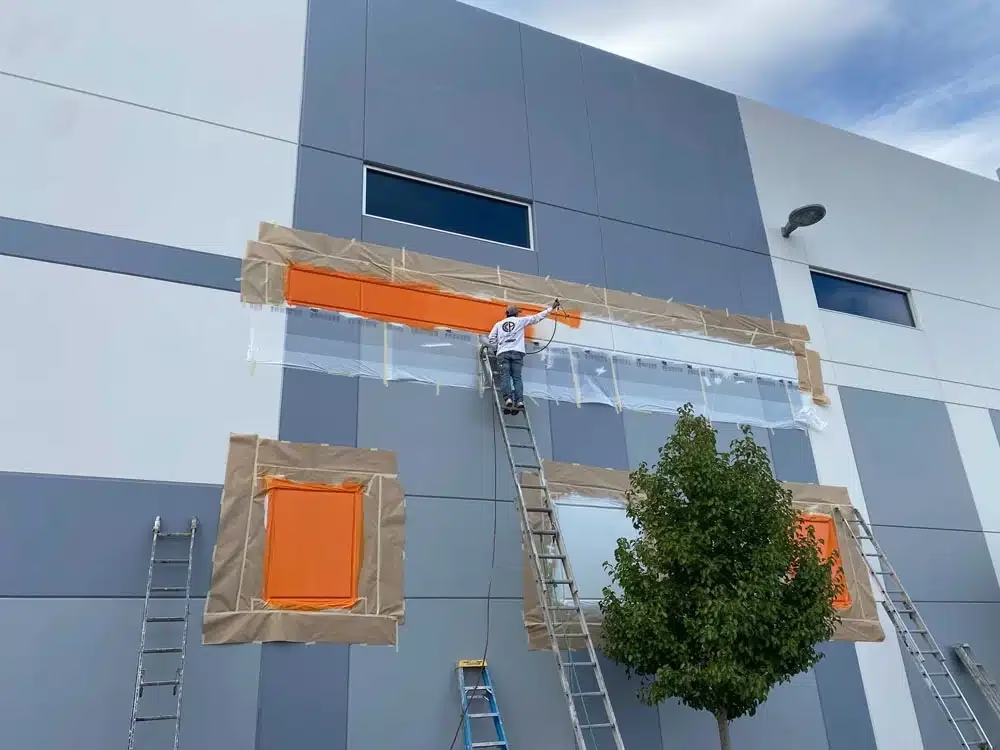
Airless sprayers deliver paint rapidly and provide a flawless, glass-like finish. Spraying is the most efficient method for large exterior walls and industrial ceilings, though it requires extensive masking and protective measures to protect the surrounding area.
Quality Control and Final Inspection
Throughout the project, the crew leader monitors the work to ensure even coverage and proper adhesion. Once the painting is complete, they conduct a final walk-through with the client to verify that every detail meets expectations and address any necessary touch-ups.
Cleanup and Project Completion
A professional crew respects your property and leaves it spotless. They remove all masking tape, drop cloths, and equipment, and only consider the project finished once the site is clean and the client is completely satisfied.
Choosing the Right Paint for Commercial Buildings
Selecting the correct paint involves balancing durability, appearance, and budget. Commercial-grade paints are formulated to handle much tougher conditions than standard residential products. But the chemical makeup of the paint determines how it will perform in different environments. Contractors choose from several main categories based on the specific needs of the project.
Latex Paint
Latex paint is water-based, dries quickly, and produces minimal odor. It is the most common choice for interior walls and works well on exterior surfaces because it remains flexible enough to resist cracking.
Acrylic Paint
High-quality 100% acrylic paints offer superior adhesion and color retention. They’re highly resistant to fading and blistering, making them excellent for commercial exteriors exposed to intense sunlight.
Elastomeric Coatings
Elastomeric paint is applied in a very thick layer and can stretch to several times its original size. This flexibility makes it the premier choice for masonry and stucco buildings that experience significant movement and settling.
Epoxy Paint
Epoxy paints combine an acrylic base with an epoxy additive to create a rock-hard finish. They’re also highly resistant to scuffs and chemical spills, so they’re ideal for high-traffic corridors and commercial kitchens.
Oil-Based Paint
Oil-based paints dry to a smooth, hard finish that resists wear and tear. While environmental regulations have limited their use, they are still utilized for metal doors, handrails, and heavy-use trim.
Interior vs. Exterior Commercial Paint
Interior paints are formulated to resist scrubbing and minimize volatile emissions, while exterior paints are designed to combat harsh weather, resist mildew growth, and prevent fading from UV rays. You cannot use interior paint outside, as it lacks the necessary protective additives.
Commercial Paint Finishes
The sheen of the paint affects both its appearance and its cleanability. Higher gloss levels generally offer better durability and are easier to clean, while lower gloss levels reflect less light but can be difficult to clean.
Flat & Matte
Flat finishes absorb light and hide surface imperfections beautifully. However, they’re difficult to clean and are best reserved for ceilings and low-traffic office areas.
Eggshell
Eggshell provides a soft, velvety look with slightly more durability than a flat finish. It’s a popular choice for conference rooms and executive offices where a sophisticated appearance is desired.
Satin
Satin finishes strike a balance between aesthetics and washability. They hold up well to light scrubbing, making them suitable for hallways, waiting rooms, and retail spaces.
Semi-Gloss
Semi-gloss paint reflects light and creates a durable, moisture-resistant surface. It’s the standard choice for doors, trim, restrooms, and cafeterias where frequent cleaning is required.
High Gloss
High gloss finishes are extremely tough and easy to wipe down. They’re typically used on metal surfaces, handrails, and industrial equipment, though they can sometimes highlight dents or flaws in the underlying surface.
Low-VOC and Eco-Friendly Paint Options
Sustainability is a major focus in commercial property management. Low-VOC paints improve indoor air quality and help buildings qualify for LEED certification. They also provide excellent coverage and durability without the harsh chemical smells of traditional paints.
Premium vs. Budget Paint Systems
While budget paints save money upfront, they contain fewer solids and lower-quality binders. On the other hand, premium paints cover better, last longer, and resist fading. Investing in high-quality materials reduces how often you need to repaint, and that can save you significant labor costs over the life of the building.
How to Choose the Best Commercial Paint Colors
Color selection is a strategic business decision. The right palette can influence customer behavior, boost employee focus, reinforce your brand identity, and lead to all kinds of other benefits. It also makes your space more welcoming, which can improve how people perceive your workspace.
How Color Impacts Customer Perception
Customers make subconscious judgments about a business based on its appearance. Clean, modern colors signal professionalism and trustworthiness, but outdated or jarring color schemes can make a facility feel neglected. That can lead to lost business or even drive clients toward competitors.
Color Psychology in Commercial Spaces
Different colors evoke specific emotional responses. Blues and greens promote calmness and concentration, while warm tones like terracotta and soft yellow create a welcoming, energetic atmosphere. With the right color, you can improve how your spaces serve their purpose.
Choosing Colors for Offices
Modern offices favor warm neutrals like SW 7029 Agreeable Gray to create a grounded, distraction-free environment. On the other hand, soft greens like Sage SW 2860 are excellent for private workspaces because they reduce eye strain.
Choosing Colors for Retail Spaces
Retail environments use color to guide customers and highlight merchandise. Bright, engaging colors near the entrance draw people in, while neutral backdrops allow the products to stand out. Before choosing a color scheme, make sure that it aligns with your target demographic and the specific products you sell.
Choosing Colors for Restaurants & Hospitality
Restaurants often utilize warm reds, oranges, and deep browns that stimulate appetite and create a cozy dining experience. Hotels and hospitality venues lean toward luxurious neutrals and deep blues to convey comfort and cleanliness.
Choosing Colors for Healthcare & Educational Facilities
Healthcare facilities rely on soft blues like SW 9137 Niebla Azul and muted greens like Nurture Green SW 6451 to reduce patient anxiety and promote a sense of healing. Educational buildings use strategic color zoning to create calming tones in classrooms for focus and vibrant colors in areas where students gather to socialize.
Branding and Color Consistency
Your physical location should reflect your corporate identity. By incorporating your brand colors into the exterior accents or interior feature walls, you’re creating a cohesive experience for visitors. Consistency across multiple locations helps your customers know what to expect, and over time, that builds brand recognition and trust.
Trending Commercial Paint Colors in 2026
The trend for 2026 is moving away from stark, cold minimalism toward warmer, nature-inspired tones. Now, properties are using colors such as SW 6150 Universal Khaki, SW 2812 Rookwood Jade, and SW 3064 Espresso. On the exterior, dark architectural facades in charcoal and matte bronze are popular for their modern look and ability to hide dirt.
Timeless Commercial Color Combinations
If you prefer a look that won’t feel dated in a few years, stick to classic combinations. With crisp whites and blues, you can convey authority, or use softer colors paired with darker accents to create a more professional appearance.
How to Test Paint Colors Before Committing
Never select a color based solely on a small paper swatch. Instead, try having your contractor apply large test patches on different walls. Pay attention to how the color changes throughout the day under natural sunlight and artificial indoor lighting before making your final decision, because this gives you insights into how the colors will shift over time.
Best Time of Year for Commercial Painting
Timing is everything when it comes to commercial painting. That’s why contractors go above and beyond to plan your project around both the weather and your business hours. This leads to the best results with as little hassle as possible.
Ideal Seasons for Exterior Commercial Painting
Late spring through early fall is the perfect window for exterior painting in most regions. Temperatures are consistently warm, and the weather is generally dry. These conditions give the paint the perfect setting to cure properly and form a durable bond with the material.
Can Commercial Buildings Be Painted in Winter?
Exterior painting in the winter is highly risky, especially in climates like Denver. Paint requires temperatures to remain above freezing during both application and curing. Meanwhile, winter is an excellent time to tackle interior painting projects, as contractors often have more flexible schedules.
Interior Painting Year-Round
Because indoor environments are climate-controlled, interior painting can be completed at any time of the year. With low-VOC paints, contractors can keep buildings well-ventilated and comfortable for occupants, regardless of the outside season.
Scheduling Commercial Painting to Minimize Business Disruption
The key to a successful commercial project is clear communication. Professional painters will work with facility managers to phase the project, completing one section at a time to minimize business disruptions. This keeps your business operational while upgrades are underway. In many cases, they’ll even schedule the work on nights or weekends and clean up before your staff returns so that there’s no downtime for your business.
How Long Does Commercial Paint Last?
A professional paint job is a significant investment, and property owners naturally want to know how long it will endure. However, there is no set timeline. The project depends heavily on the environment, the building, its surfaces, and more.
Average Lifespan of Interior Commercial Paint
Interior commercial paint typically lasts between five and seven years. In high-traffic areas like lobbies and hallways, the walls may show scuffs and wear sooner. Offices and conference rooms with less physical contact often last longer before requiring a fresh coat.
Average Lifespan of Exterior Commercial Paint
Exterior paint is constantly abused by the weather. In harsh climates with intense sun and frequent freeze-thaw cycles, exterior paint generally lasts three to five years. Stucco and brick surfaces may hold paint up to seven years, while wood siding requires more frequent maintenance.
Factors That Affect Paint Durability
Several variables determine how quickly a paint job will age and deteriorate. These include:
- Traffic levels
- Weather exposure
- Surface preparation
- Paint quality
- Maintenance
- How you use the area
- Whether or not there is any damage
A clean, damage-free surface will take less time than a heavily damaged area.
How to Extend the Lifespan of Commercial Paint
Routine maintenance significantly prolongs the life of your paint. It helps to regularly wash your exterior walls to remove dirt and pollutants. On the inside, clean high-traffic areas regularly and address minor chips and scratches as soon as possible to prevent them from worsening. Maintaining consistent humidity levels can also help prevent water-related damage inside.
Commercial Painting Costs in 2026
The first step to accurately budgeting for your commercial painting project is to understand how it will be priced. Commercial painting costs involve much more than just the price of the paint.
Average Commercial Painting Costs
For a standard commercial building with 2,500 square feet of paintable surface, the total cost typically ranges from $5,000 to $15,000. This wide range accounts for differences in building height, architectural complexity, labor costs, and other factors affecting the project.
Cost Per Square Foot
In 2026, the average cost for commercial painting falls between $2 and $6 per square foot of paintable surface. This metric is only a baseline, however. The final price will be adjusted based on the facility’s specific requirements.
Interior vs. Exterior Commercial Painting Costs
Exterior painting generally costs more than interior work. The outside of a building requires extensive prep work, such as power washing and scraping, and demands higher-priced, weather-resistant paints. They also require expensive equipment, especially if the team needs to work at heights.
Cost by Building Type
The building’s function and layout strongly influence the overall price of the project. Office buildings require detailed trim work and careful protection of furniture, while warehouses involve massive square footage. Retail stores demand flawless finishes and fast turnaround times to avoid losing sales, while industrial facilities need expensive specialty coatings and extensive safety protocols.
Factors That Affect Commercial Painting Costs
When putting together an estimate, contractors use their experience (alongside a detailed walkthrough of the area) to evaluate several key factors.
Building Size
Larger buildings require more gallons of paint and more labor hours. While the total cost is higher, the price per square foot often drops slightly on massive projects due to economies of scale.
Surface Condition
If the existing paint is peeling heavily or the drywall is damaged, the crew must spend hours repairing the walls, ceilings, and floors. Because this leads to plenty of extra work, it often increases costs.
Prep Work Requirements
Buildings that require deep cleaning, rust removal, or specialized priming will cost more to paint. Skipping these steps to save money always results in a failed paint job.
Paint Type and Quality
Premium paints and industrial coatings like epoxy cost significantly more per gallon than standard latex. However, these high-end products provide better coverage and last years longer.
Accessibility & Height
Multi-story buildings and vaulted ceilings require scaffolding, swing stages, or aerial lifts. The rental fees for this equipment and the slower pace of working at heights add to the total bill.
Equipment Requirements
Projects that require heavy-duty airless sprayers, negative air machines for ventilation, or specialized safety rigging will incur higher equipment costs.
Labor Costs
Skilled commercial painters command higher wages than general laborers. You are paying for their efficiency, safety training, and ability to deliver a flawless finish.
Business Operating Hours
If the painting must be done at night or over the weekend to accommodate your business hours, expect to pay premium overtime rates for the crew.
Safety Requirements & Compliance
Working in hazardous environments or dealing with lead-based paint requires strict containment procedures and specialized protective gear. That increases the project overhead.
Commercial Painting Safety and Compliance
Safety is non-negotiable on a commercial job site. Professional contractors adhere to strict regulations to protect their workers, your employees, and your property.
OSHA Safety Standards
The Occupational Safety and Health Administration (OSHA) sets rigorous rules for fall protection, scaffolding use, and respiratory safety. A reputable contractor conducts regular safety meetings and ensures that all crew members wear appropriate personal protective equipment (PPE) at all times when they may be at risk.
EPA and Environmental Compliance
Commercial painters must follow Environmental Protection Agency (EPA) guidelines regarding the disposal of paint, solvents, and wastewater. Proper disposal prevents harmful chemicals from contaminating local water supplies and protects your business from environmental fines.
Lead Paint and Hazardous Material Considerations
If your building was constructed before 1978, it may contain lead-based paint. Contractors working on these properties must be an EPA Lead-Safe Certified Firm. They use specialized containment and cleanup procedures to prevent toxic lead dust from spreading.
Safety Protocols for Occupied Buildings
When painting an active facility, crews set up physical barriers and use negative air pressure to keep fumes and dust away from your staff and customers. They also secure all tools and ladders to prevent trip hazards in public areas.
Insurance and Licensing Requirements
Never hire a contractor who can’t provide proof of comprehensive liability insurance and workers’ compensation coverage. This protects you from being held financially responsible if an accident or property damage occurs on your premises.
How to Prepare Your Business for Commercial Painting
A little preparation goes a long way in ensuring the painting project runs smoothly. Working closely with your contractor helps eliminate delays and protects your assets.
Preparing Interior Commercial Spaces
Clear the work area by removing small items, electronics, and artwork from the walls. If possible, move desks and heavy furniture to the center of the room so the painters have total access to the walls and baseboards.
Preparing Exterior Commercial Properties
Trim back any bushes or tree branches that are touching the building. Ensure that all sprinkler systems are turned off and that the crew has clear access to water spigots and electrical outlets.
Protecting Furniture, Equipment, and Inventory
While the painting crew will bring drop cloths and plastic sheeting, you should secure sensitive documents and fragile equipment. In retail settings, move inventory away from the painting area to prevent accidental damage.
Minimizing Operational Disruption
Communicate the painting schedule to your employees and customers well in advance. Post clear signage directing people away from wet paint and open up other entrances if the main area is being serviced.
What Businesses Should Expect During the Process
Expect some noise from power washing and sanding, and you’ll likely have ladders and special equipment on site. You may need to stay away from certain areas while the company works. However, professional crews maintain a tidy workspace and communicate their progress daily, so you likely won’t deal with any surprises.
Commercial Painting for Different Industries
Every industry has specific needs and requirements. That’s why expert contractors always tailor their approach to suit each building’s unique environment.
Office Buildings
Office projects require a focus on aesthetics and minimal disruption. So, crews often work after hours, using low-odor paints to keep the workspace fresh and ready for employees the next morning.
Retail Stores
Retail painting is all about speed and brand alignment. There’s no room for downtime, so contractors will use fast-drying, durable finishes to refresh the space quickly. This means that the store can reopen without losing valuable sales days.
Restaurants
Food service facilities demand paints that can withstand grease, heat, and constant scrubbing. Kitchens in particular require specialized epoxy coatings that meet strict health department sanitation standards.
Hotels & Hospitality
Hotels need elegant, flawless finishes in guest rooms and lobbies. But this means that the painting schedule must be highly coordinated to keep sections of the hotel open and maintain a quiet, luxurious experience for guests.
Warehouses
Warehouse painting focuses on safety and durability. This includes applying high-visibility safety yellow to handrails, striping concrete floors for forklift traffic, and spraying massive ceilings to improve light reflectivity.
Healthcare Facilities
Hospitals and clinics require zero-VOC and antimicrobial coatings to protect immunocompromised patients. The crews must adhere to rigorous infection control protocols and maintain immaculate, dust-free work zones.
Schools & Universities
Educational facilities take a beating from heavy daily use. Contractors use highly durable, scuff-resistant paints in hallways and classrooms, and they’ll typically schedule the bulk of the work during summer or winter breaks.
Manufacturing & Industrial Facilities
Industrial plants need heavy-duty protection against chemical exposure and abrasion. Painters use specialized urethanes and epoxies to coat machinery, pipes, and structural steel, often working around complex production schedules.
Multi-Family Properties & HOAs
Painting condos and apartment complexes involves managing large exteriors and communicating with multiple residents. The focus is on boosting curb appeal and applying weather-resistant coatings to protect the property value.
Commercial Painting Maintenance Tips
Proactive maintenance is the best way to protect your investment. A few simple steps can add years to the life of your commercial paint job.
Routine Cleaning of Painted Surfaces
Dirt and pollutants degrade paint over time, so try scheduling an annual low-pressure wash for the building’s exterior. Inside, wipe down high-touch areas like door frames and light switches weekly using a mild, non-abrasive cleaner.
Preventing Moisture Damage
Water is the enemy of paint. Keep gutters clean and ensure downspouts direct water away from the foundation. You should also adjust landscaping sprinklers so they don’t spray directly onto the painted siding.
Touch-Ups and Preventive Maintenance
Keep a record of the exact paint brands, colors, and finishes used in your facility. When you notice a small chip or scratch, touch it up immediately before moisture can penetrate the surface. Otherwise, the pain will quickly begin to peel.
Protecting Exterior Paint From Weather
Inspect the exterior caulk around windows and expansion joints every year. If the caulk is cracking or pulling away, replace it as soon as you can. This helps maintain the waterproof seal, which prevents the surrounding paint from peeling away.
Scheduled Maintenance Programs
Many professional painting companies offer ongoing maintenance contracts. They will visit your property annually to conduct inspections, handle touch-ups, and pressure-wash the exterior. This ensures that the building always looks its best.
Common Commercial Painting Problems and Solutions
Even the best paint jobs eventually succumb to wear and tear. However, recognizing the early signs of failure allows you to fix the problem before it requires a total repaint.
Peeling Paint
Paint peels when it loses adhesion, usually due to poor preparation or moisture intrusion. Fortunately, you can simple scrape away the loose paint, sand the edges smooth, prime the bare spot, and repaint. For more extreme damage, though, it’s best to call the professionals.
Bubbling and Blistering
Blisters form when moisture or heat gets trapped under the paint film. This often happens if paint is applied in direct, intense sunlight. The affected area must be scraped down to the substrate and allowed to dry completely before recoating.
Chalking and Fading
Chalking is a natural degradation caused by UV rays, but excessive chalking washes out the color. The surface must be power washed thoroughly to remove the powdery residue before applying a high-quality, UV-resistant acrylic paint.
Rust and Corrosion
When rust bleeds through the paint on metal surfaces, the protective coating has failed. The rust must be mechanically removed via wire brushing or sanding. Then, a rust-inhibiting primer must be applied to protect the future paint.
Cracking and Flaking
Hairline cracks occur when the paint becomes brittle and cannot flex with the building’s movement. For minor cracking, elastomeric paint can bridge the gaps, but for severe flaking, the entire failed layer must be removed.
Mold, Mildew, and Moisture Damage
Dark, blotchy stains indicate mold growth, typically in shaded, damp areas. The surface must be scrubbed with a bleach solution to kill the spores before repainting with a coating that contains mildewcide additives.
Paint Adhesion Problems
If new paint rubs off easily, it was likely applied over a glossy or dirty surface without proper sanding or priming. The only fix is to remove the poorly adhered paint, prep the surface correctly, and start over.
DIY vs. Professional Commercial Painting
While a business owner might be tempted to tackle a painting project with their own staff to save money, commercial properties present challenges that require professional expertise. Often, it’s faster and less cost-intensive to hire a professional.
Why DIY Rarely Works for Commercial Projects
Commercial painting involves massive square footage and complex substrates. But that means that inexperienced painters often skip crucial prep work and use the wrong materials. This looks unprofessional to customers and eventually leads to a sloppy finish that fails within a year or less.
Cost Comparison
DIY painting seems cheaper upfront, but hidden costs add up quickly. You must purchase expensive equipment, buy paint at retail prices, and pay your employees for their time. If the DIY job fails, you will pay a professional to fix the mistakes, which will cost you twice as much.
Time and Labor Requirements
An inexperienced team might take weeks to complete the job, leaving your business in a state of disruption and pulling your staff away from their actual duties. However, a professional crew can prep and paint a large office in a single weekend. If the work carries over to the beginning of the week, they have the experience and materials needed to section off the area to avoid disruptions to your business.
Safety Risks
Painting a commercial building involves working from tall ladders, handling chemical solvents, and operating heavy machinery such as boom lifts. Putting your own employees in these situations exposes your business to massive liability risks, but professionals have the necessary safety training and insurance to complete the job safely and quickly.
Equipment and Access Challenges
Commercial properties feature high ceilings, stairwells, and tricky exterior elevations. Professionals own the scaffolding, sprayers, and rigging required to reach these areas safely and efficiently.
How to Hire the Right Commercial Painting Contractor
Not all painting companies are equipped to handle commercial work. You need a partner who is reliable, fully insured, and experienced in managing large-scale logistics.
Questions to Ask Before Hiring
Interview potential contractors thoroughly. Ask how long they have been in business and request references from similar commercial projects. Then, you’ll want to inquire about their safety protocols and how they plan to minimize disruption to your daily operations.
Licensing, Insurance, and Certifications
Verify that the contractor holds a valid state license and carries robust general liability and workers’ compensation insurance. If your building is older, ensure that they are an EPA Lead-Safe Certified Firm.
Experience in Commercial Projects
Residential painters often struggle with the scale of commercial work. Choose a company that specializes in commercial properties and understands how to apply heavy-duty industrial coatings and operate specialized lift equipment.
Red Flags to Watch Out For
Be wary of contractors who ask for large upfront deposits or pressure you to sign a contract immediately. Extremely low bids are also a red flag, as they usually indicate the contractor plans to cut corners on prep work or use inferior paint.
Why Local Commercial Painting Experience Matters
A local contractor understands the specific climate challenges in your area. For example, an experienced Denver painter knows exactly which elastomeric coatings are required to withstand the region’s intense UV rays and freeze-thaw cycles.
What to Look for in a Commercial Painting Estimate
A professional estimate should be highly detailed. It must clearly outline:
- A clear description of the scope of the work
- Surface preparation requirements and costs
- The paint products and materials that will be used
- The number of coats included
- The areas that will be painted
- The project timeline and estimated completion date
- Warranty information (if applicable)
Avoid vague bids that only provide a single lump-sum number.
Commercial Painting Trends for 2026
The commercial painting industry is growing year by year. This is due to a growing focus on sustainability and significant technological growth. In 2026, the trends are leaning towards softer colors, bold architectural accent pieces, and tough coatings designed to meet their environment.
Trending Commercial Interior Paint Colors
Sterile white offices are being replaced by warmer, nature-inspired palettes like SW 6440 Courtyard and SW 7511 Bungalow Beige. These colors reduce visual fatigue and create a more comfortable, grounded environment for employees.
Popular Exterior Commercial Color Schemes
On the exterior, businesses are moving toward bold, dark architectural facades. Some common choices in 2026 include SW 7069 Iron Ore, SW 7048 Urbane Bronze, and SW 6258 Tricorn Black. These colors give buildings a sleek, modern edge while effectively hiding dirt and weathering between maintenance cycles.
Sustainable and Low-VOC Paint Solutions
Environmental responsibility is a top priority. The use of zero-VOC and bio-based paints is now the standard for interior commercial projects. These sustainable coatings improve indoor air quality and help companies meet stringent green building certifications.
Durable Coating Innovations
Paint manufacturers are producing smarter, tougher coatings. That’s why newer formulations feature flexible binders that stretch with temperature changes to prevent cracking. Antimicrobial paints that actively reduce bacteria on surfaces are also seeing widespread use beyond just healthcare facilities.
Smart Building and Design Considerations
Contractors are integrating technology into the planning process. They use digital color-matching tools and AI software to generate virtual previews, allowing property managers to see exactly how a color scheme will look before a single drop of paint is applied.
Get a Free Commercial Painting Estimate
With over 40 years of experience serving the Denver area, Colorado Commercial & Residential Painting brings unmatched expertise to every project. We know what Colorado’s climate is like, so we only use premium products backed by an industry-leading 4 to 10-year exterior warranty. Even better—you don’t pay for a deposit upfront, because we don’t accept payment until the job is complete and you are fully satisfied with the results.
Enjoy peace of mind with our anytime cancellation policy and our commitment to safety as an EPA Lead-Safe Certified Firm. Contact us today to schedule your free, detailed estimate and discover how we can transform your commercial property.