
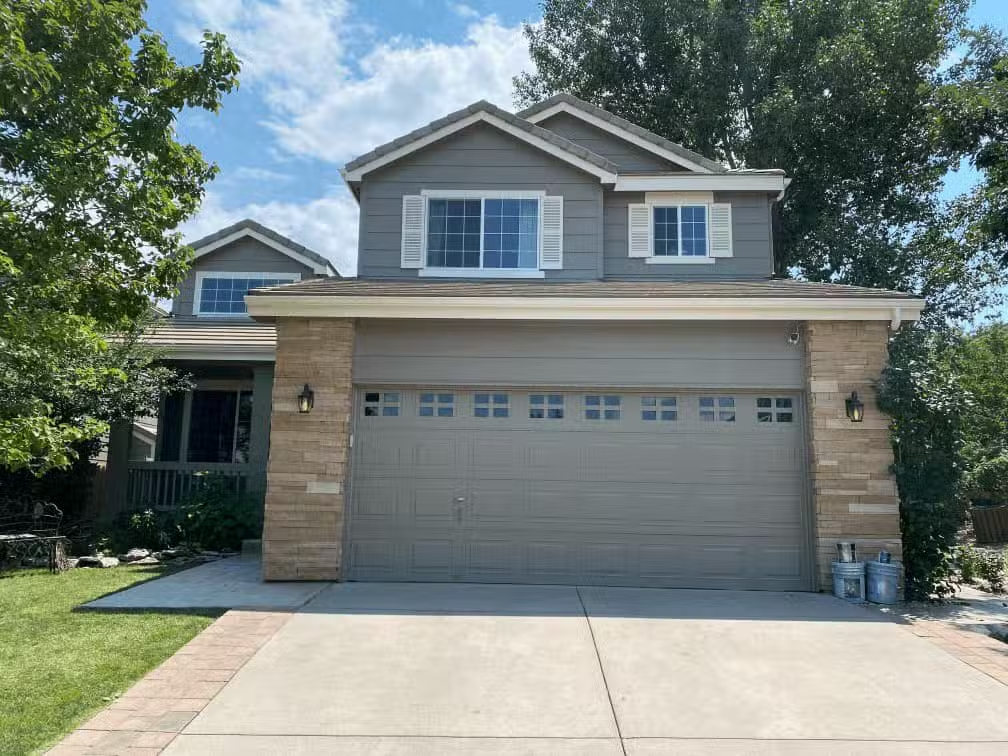
Painting a house is one of the most effective ways to refresh its appearance, to protect surfaces, and to maintain its long-term value. Whether you want to boost your home’s curb appeal before selling it or simply need to renew an old coat of paint, a professional paint job has both aesthetic and functional benefits. With over 40 years of experience serving the Denver area, Colorado Commercial & Residential Painting (CCRP) brings unmatched expertise to every residential and commercial project. This guide covers everything you need to know about house painting in 2026, from understanding costs and selecting the right paint finish to knowing when to hire a professional.
What Is House Painting?
House painting involves applying paint or protective coatings to a home’s interior or exterior surfaces. This critical maintenance shields your property from the elements while enhancing its appearance.
Residential House Painting
Residential house painting focuses on single-family homes, townhouses, and condos. It requires a tailored approach that accounts for homeowners’ specific needs, such as minimizing disruption to daily life and selecting colors that reflect personal style. Professional painters are experts at proper surface preparation and application, and the result is a durable, beautiful finish.
Interior vs. Exterior Painting
Indoor air quality and a comfortable living environment are at the heart of interior house painting. With exterior jobs, the paint must be able to handle sun, wind, rain, and temperature fluctuations. Because the weather significantly affects the painting process, exterior projects typically require more preparation.
Why Professional House Painting Matters
- Thorough surface preparation: Professional painters know how to clean, scrape, sand, and prime surfaces correctly, making sure the paint adheres well and lasts longer.
- High-quality materials: Experienced painters use premium paints and tools that deliver better coverage, durability, and fade resistance.
- Safety and efficiency: Painting can involve working on tall ladders and handling specialized equipment. Professionals have the training and the tools to complete the job safely and efficiently.
- Long-lasting results: A professional paint job is backed by expertise and often comes with a warranty, giving you peace of mind that the investment is protected.
Benefits of Painting Your House
A fresh coat of paint does more than just change the color of your walls. It also has many practical advantages that improve your home’s condition and value.
Improve Curb Appeal
First impressions matter, and your home’s exterior is one of the first things people notice about it. Fresh paint on a curb instantly revitalizes your property’s appearance, making it stand out in the neighborhood and creating a welcoming atmosphere.
Increase Property Value
Painting ranks as one of the most cost-effective home improvements you can make. A well-maintained, repainted home can attract potential buyers and generate a higher resale value and a quicker sale.
Protect Against Moisture, UV Damage, and Wear
Paint acts as a protective barrier against harsh weather conditions. It seals out moisture, preventing rot and mold, and reflects harmful UV rays that can cause materials to break down over time.
Extend the Lifespan of Siding and Surfaces
By shielding your home’s exterior materials from the elements, a quality paint job extends the lifespan of wood, stucco, and fiber-cement siding. This proactive maintenance saves you money on expensive repairs or replacements down the road.
Improve Indoor Aesthetics and Comfort
Interior painting allows you to customize your home and to create the desired mood for each room. New paint can make a room feel larger, brighter, and more inviting, contributing to overall habitability.
Enhance Energy Efficiency Through Paint Colors
Lighter paint colors reflect more sunlight, passively cooling your home and giving your A/C a break. By making this simple design choice, you can use less energy and lower your utility bills.
Interior House Painting: Everything You Need to Know
Interior painting transforms your living spaces and serves as one of the most effective ways to update your home’s appearance.
What Is Involved in Interior Painting?
A comprehensive interior painting project includes thorough surface preparation, such as cleaning walls, patching holes, and sanding rough spots. It also involves applying primer where necessary and painting walls, ceilings, trim, and doors for a complete refresh.
Rooms That Benefit Most From Repainting
High-traffic areas like living rooms, kitchens, and hallways can be revitalized with a fresh coat of paint, since they tend to accumulate and to show wear and tear more quickly. Bedrooms and bathrooms are also popular choices for painting to create a relaxing or spa-like atmosphere.
Walls, Ceilings, Trim, Doors, and Baseboards
Painting isn’t limited to just walls. Refreshing ceilings, trim, doors, and baseboards creates a cohesive and polished look. Semi-gloss finishes are commonly applied to trim and doors for added durability and easy cleaning.
Cabinet Painting and Refinishing
Updating your kitchen or bathroom cabinets with new paint is a cost-effective alternative to a full remodel. However, cabinet painting needs specialized preparation and high-quality finishes for long-lasting, smooth results.
Accent Walls and Decorative Finishes
Accent walls add a focal point and visual interest to a room without overwhelming it. Decorative finishes like textured paints or stenciling can introduce unique design elements that reflect your personal style.
Common Interior Painting Mistakes to Avoid
Skipping surface preparation is a common oversight that leads to poor paint adhesion and an uneven finish. Other interior painting errors include choosing the wrong paint sheen for the room’s function and not using painter’s tape for clean, crisp lines.
Exterior House Painting: The Complete Breakdown
Exterior painting is a significant investment that requires careful planning and execution to handle the elements and to protect your home.
What Is Involved in Exterior Painting?
Successful exterior painting needs power washing, scraping loose paint, caulking gaps, and repairing damaged surfaces. It also includes priming bare areas and applying high-quality paint to siding, trim, fascia, and doors.
Signs Your Home Needs Exterior Paint
Fading colors, chalking, peeling, and cracking are clear indicators that your home’s exterior needs attention. Exposed wood, mildew staining, and deteriorating caulking around windows and trim also signal that it’s time for a repaint.
Painting Different Exterior Materials
Depending on the material, an exterior surface will require specific preparation and paint products for a long-lasting, beautiful finish.
Wood
Wood siding needs thorough scraping, sanding, and priming to prevent moisture intrusion and to make sure the paint adheres to it well.
Stucco
Stucco must be cleaned and repaired to get rid of any cracks before painting. Elastomeric paints are often used for their flexibility and waterproofing properties, as long as the surface is concrete and in good condition.
Brick
Painted brick requires careful preparation to remove loose paint and efflorescence. A high-quality masonry primer and breathable exterior paint are crucial for a durable finish.
Fiber Cement
Fiber cement siding holds paint well but still needs proper cleaning and priming of any bare spots before applying a 100% acrylic exterior paint.
Vinyl and Composite
When painting vinyl siding, it’s crucial to use a paint specifically formulated for this material to prevent warping. The paint’s color should also be lighter than the original to reduce heat absorption.
Exterior Paint Failure Signs
Here are some indications that old paint is due for a rehaul:
- Bubbling or blistering: Pockets of air or moisture trapped under the surface
- Severe peeling: Large sections of paint actively separating from the substrate
These issues are usually caused by poor surface preparation, moisture problems, or the application of paint in unsuitable weather conditions.
Once the underlying material is exposed, it can result in several problems.
- Rotten wood: Moisture penetrates bare wood, leading to mold growth.
- Rusty metal: Unprotected steel and iron oxidize due to oxygen and rain.
- Crumbling brick: Water seeps into porous brick, causing freeze-thaw spalling.
Weather Considerations
The weather plays a critical role in the success of an exterior painting project, since paint needs moderate temperatures and dry conditions to cure properly. It must only be applied when both daytime and nighttime temperatures are above the manufacturer’s minimum—usually 35°F to 40°F—for at least 24 hours while the paint cures. To make sure the finish is uniform, painters should target the shady side of the house first, avoiding direct sunlight.
How Colorado’s Climate Affects Exterior Paint
The local climate presents unique challenges, making it essential to plan well ahead of time to be able to pick the ideal painting conditions.
Rapid Temperature Swings
Colorado is known for dramatic diurnal temperature changes, with daytime highs dropping by 30–40°F at night. This thermal shock stresses the bond between the paint and the siding.
High-Altitude UV Intensity
Many areas in Colorado are at higher elevations. The air is thinner, leading to more intense UV radiation, which causes exterior paint to fade faster. UV rays also break down the chemical binders in cheap paint.
Low Humidity and High Temperatures
Scorching sun and low air moisture cause paint to dry up to four times faster, forcing painters to work quickly to prevent overlapping marks. Because high-altitude sun intensifies heat absorption, siding temperatures can rapidly increase even on cool days. For this reason, it’s essential to check both air and the surface temperatures.
Frequent Freeze-Thaw Cycles
In the winter and early spring, snow melts on sunny days, and water seeps into paint or porous siding like wood or stucco. Plunging nighttime temperatures freeze this trapped water, causing it to expand significantly, forcing the paint to peel and crack.
Monsoon and Rainy Seasons
Sudden thunderstorms and heavy rain in the spring and summer can wash away wet paint. Colorado is also known for afternoon microclimates, meaning one neighborhood might get rain while another stays completely dry. Because of this, contractors must monitor hyper-local radar before painting.
No matter the season, all these weather factors accelerate paint breakdown, making thorough preparation and the use of premium, UV-resistant acrylic paints essential.
The House Painting Process Step by Step
A structured painting project produces consistent, high-quality results and long-lasting durability.
Initial Consultation and Inspection
The process begins with a thorough inspection of the property to assess surface conditions and to determine any necessary repairs. During this stage, the scope of work is defined, and color consultations may be provided.
Surface Preparation
Preparation forms the foundation of a quality paint job and usually takes the most time. It involves cleaning, repairing, and smoothing surfaces for proper paint adhesion.
Pressure Washing
For exterior projects, pressure washing removes dirt, mildew, and loose paint, providing a clean surface for the new coating.
Scraping and Sanding
Scraping removes peeling or flaking paint, and sanding smooths rough edges and creates a uniform surface for painting.
Caulking and Sealing
Caulking gaps around windows, doors, and trim prevents moisture intrusion and drafts, protecting the home’s structure and interior paint.
Drywall Repair and Patching
For interior projects, patching holes and repairing drywall damage makes the finish on the walls and the ceilings flawless.
Surface Priming
Primer seals porous surfaces, blocks stains, and provides a stable base for the topcoat, improving overall adhesion and color consistency.
Choosing the Right Paint System
Selecting the appropriate paint system involves considering surface material, environmental exposure, and desired finish. High-quality paints offer better coverage, durability, and resistance to fading.
Painting Application Methods
Professional painters use a range of application methods depending on the surface and the project’s specific needs.
Brush Painting
Brushing is used for cutting in around edges, as well as painting trim and detailed or textured surfaces where precision is required.
Roller Painting
Rolling is the most efficient method for painting large, flat surfaces such as walls and ceilings, resulting in an even, consistent coat.
Spray Painting
Spraying offers a smooth finish and fast application to exterior siding or large interior spaces, provided they’re properly masked and protected.
Final Touchups and Inspection
After the main painting is done, the team performs detailed touchups and a final walkthrough with the homeowner to make sure that every aspect meets high quality standards.
Cleanup and Project Completion
The final step involves removing drop cloths, tape, and equipment, leaving the property clean and ready to enjoy. A tidy site reflects a disciplined and professional approach.
DIY vs. Professional House Painting
Deciding whether to tackle a painting project yourself or hire a professional involves weighing many important factors.
Cost Comparison
DIY painting has a lower upfront cost for materials, but hidden expenses like specialized tools and equipment quickly add up. Professional painting includes all materials and labor, providing a clear, comprehensive cost estimate from the start.
Time Commitment
DIY projects usually take much longer than they seem at first, stretching over multiple weekends. Professional crews have the labor and the experience to complete the job quickly, minimizing disruption to your life.
Differences in Quality
Professionals deliver a superior finish with crisp lines and even coverage, thanks to their expertise and high-grade equipment. DIY jobs are more prone to brush marks, drips, and premature peeling due to inadequate preparation.
Safety Risks of DIY Painting
Exterior painting and high interior ceilings require working on ladders or scaffolding, which poses significant safety risks for inexperienced homeowners. Professional painters are well-trained in safety protocols and have the right equipment for the job.
When DIY Makes Sense
DIY painting is appropriate for small projects, such as a single bedroom or an accent wall, where the time commitment and safety risks are minimal.
When to Hire Professional Painters
It’s best to hire professionals for full interior or exterior projects, homes with high ceilings or complex architecture, and cases where long-term durability and a perfect finish are priorities.
How Much Does House Painting Cost in 2026?
Understanding the factors that affect painting costs helps homeowners budget accurately and make informed decisions.
Average Interior Painting Costs
In 2026, professional interior painting usually ranges from $2 to $6 per square foot. For a standard 2,000-square-foot home, this translates to roughly $4,000–$12,000, depending on the scope of work.
Average Exterior Painting Costs
Exterior painting generally costs between $2.50 and $8.00 per square foot in the Denver metro area. A painting project for a 2,000-square-foot home might cost $5,000–$16,000 due to the extensive preparation required for the local climate.
Cost Per Square Foot
Pricing by square foot serves as a common baseline, but it varies widely based on surface condition, accessibility, and the quality of materials used.
Cost by Room Type
Kitchens and bathrooms often cost more to paint due to the detailed work around cabinetry and fixtures, as well as the need for moisture-resistant paints.
Cost by Home Size
Larger homes require more materials and labor, leading to higher overall costs. However, the price per square foot may decrease slightly for very large projects due to economies of scale.
Factors That Affect Painting Costs
Several variables impact a painting project’s final price beyond just the home’s size.
Surface Condition
Homes with significant damage, peeling paint, or extensive drywall issues need more preparation time, which increases labor costs.
Prep Work Requirements
Thorough preparation, including scraping, sanding, and caulking, is essential for a lasting finish and accounts for a significant part of the total cost.
Paint Quality
Premium paints and specialized coatings cost more per gallon but offer superior durability, better coverage, and longer warranties, making them a worthwhile investment.
Home Height and Accessibility
Multistory homes or those with steep rooflines require scaffolding and specialized equipment, increasing labor and safety costs.
Labor Costs
Skilled professionals who prioritize quality and proper preparation command higher labor rates, but they deliver superior results that last much longer.
Architectural Complexity
Homes with intricate trim, detailed molding, or multiple siding materials require more time and precision, increasing the overall expenses.
Is Professional House Painting Worth the Investment?
- Properly prepped surfaces: Painting contractors take their time with this step to guarantee the paint’s longevity and appearance.
- Time savings: A professional crew completes the project quickly and efficiently, saving you weeks of personal time and effort.
- Quality and durability: High-quality materials and expert application result in a finish that looks better and lasts longer than a typical DIY job.
- Warranties and guarantees: Reputable companies offer comprehensive warranties on exterior painting projects.
- Safety and insurance: Professionals are fully insured and trained to handle the safety risks of using ladders and specialized equipment.
How to Choose the Right Paint for Your Home
Selecting the appropriate paint involves understanding the different types and finishes available to achieve the desired look and performance.
Paint Types
The paint’s base chemistry affects its application, durability, and drying time.
Latex
Latex, or water-based paint, is the most popular choice for both interior and exterior projects. It dries quickly, cleans up easily with water, and remains flexible, making it resistant to cracking.
Oil-Based
Oil-based paint provides a hard, durable finish that’s excellent for high-traffic areas and trim. The drawbacks are that it has a strong odor, needs solvents for cleanup, and takes longer to dry. Many oil-based paints are not approved for use in Colorado due to stringent VOC (volatile organic compounds) requirements.
Acrylic
Acrylic paint is a high-quality water-based option that offers excellent adhesion, color retention, and resistance to fading. It’s highly recommended for exterior surfaces exposed to harsh weather.
Interior vs. Exterior Paint Differences
Interior paints are formulated for washability and low VOC emissions, while exterior paints contain additives to resist UV rays, mildew, and temperature fluctuations.
Paint Finishes
The sheen or gloss level of the paint finish influences both its appearance and its functionality.
Flat, No-Sheen Matte
Flat and matte finishes have no shine, making them ideal for hiding surface imperfections. They’re commonly used on ceilings and in low-traffic areas, such as adult bedrooms.
Eggshell
Eggshell provides a subtle, velvety sheen that is slightly more durable and washable than flat paint. It’s a popular choice for living rooms and dining areas.
Satin
Satin finishes offer a soft glow and are easy to clean, making them suitable for high-traffic areas such as hallways, family rooms, and kids’ bedrooms.
Semi-Gloss
Semi-gloss paint has a noticeable shine and is highly durable and moisture-resistant. It’s the standard choice for trim, doors, kitchens, and bathrooms.
High Gloss
High-gloss finishes are extremely reflective and durable, providing a glass-like appearance. They highlight imperfections, so they require thorough surface preparation and are typically applied to accents and cabinetry.
Low-VOC and Eco-Friendly Paint Options
Low-VOC paints minimize harmful emissions and odors, improving indoor air quality. They’re an excellent choice for interior projects, especially in homes with children or pets.
Premium Paint vs. Budget Options
Premium paints contain higher-quality binders and pigments, resulting in better coverage, richer colors, and enhanced durability. While budget paints cost less upfront, they usually require more coats and fail sooner, making premium options more cost effective over time.
How to Choose the Best House Paint Colors
Selecting the right colors is a crucial step that sets the tone for your home and highlights its architectural features.
Understanding Color Psychology
Colors significantly impact mood and atmosphere. Blues and greens create a calming environment, while warm tones like yellows and reds add energy and warmth to a space.
How Lighting Impacts Paint Colors
Natural and artificial lighting alter how a color appears. A color that looks warm in morning sunlight may appear cooler in the evening or under LED lighting. Always test colors in the specific room you want to paint and observe them at different times of the day.
Choosing Interior Paint Colors
When selecting interior colors, consider the room’s purpose, existing furniture, and the flow between spaces. Using a cohesive color palette throughout the house creates a harmonious and unified feel.
Choosing Exterior Paint Colors
Exterior colors should complement the home’s permanent elements, such as the roof, brick, or stone. It’s also important to consider the neighborhood context and any Homeowners Association (HOA) guidelines.
Trending House Paint Colors in 2026
In 2026, the trend is shifting toward warm, grounding neutrals and nature-inspired mid-tones. Sherwin-Williams named SW 6150 Universal Khaki its 2026 Color of the Year, highlighting a shift toward earthy, versatile shades that offer a sense of comfort and longevity.
Timeless Paint Colors That Never Go Out of Style
Classic colors offer enduring appeal:
- Warm whites reflect light efficiently while making the room feel inviting rather than cold.
- Soft grays provide a neutral, calming canvas that bridges the gap between warm and cool decor elements.
- Deep navy blues add dramatic contrast without the harshness of black and pair effortlessly with almost every wood tone, leather, brass, and white trim.
These universal shades provide a sophisticated backdrop that easily adapts to changing decor styles.
Popular Paint Color Combinations
Pairing a neutral body color with crisp white trim and a bold accent door is a popular and effective strategy. For example, a soft gray exterior with white trim and a rich burgundy or navy door creates a striking and classic look.
How to Test Paint Colors Before Committing
Before starting a major painting project, purchase paint samples and apply them to the walls or exterior surfaces. Observe how the colors look in various lighting conditions and alongside existing materials before making a final decision.
Best Time of Year to Paint a House
Timing your painting project correctly helps it look great and last longer.
Ideal Seasons for Exterior Painting
In Colorado, the most reliable window for exterior painting runs from late April to early October. During these months, the weather is generally mild, with warm daytime temperatures and frost-free nights that let the paint cure.
Summer Painting: Pros and Cons
Summer offers warm, dry conditions ideal for painting, but extreme midday heat can cause paint to dry too quickly, leading to lap marks. Professional painters schedule their work to stay ahead of the sun, working on the shaded sides of a house first and wrapping up before peak afternoon temperatures or sudden microclimate storms arrive.
Can You Paint in the Winter?
Painting the exterior during winter isn’t possible due to freezing overnight temperatures that prevent the paint from forming a proper film, leading to poor adhesion and premature failure. However, this off-season is a perfect time to refresh indoor spaces, since interior painting can be done year-round.
Scheduling Flexibility
Because Colorado’s weather is often unpredictable, you need a flexible timeline for a successful painting project. Contracting a local company that understands the climate and actively monitors real-time radar data is the best way to manage obstacles and delays.
How Long Does House Paint Last?
A paint job’s longevity depends on how well the preparation and the materials are tailored to withstand Colorado’s intense UV rays and temperature swings.
Average Lifespan of Interior Paint
Interior paint typically lasts between 5 and 10 years. High-traffic or high-moisture areas like hallways and kitchens usually need repainting much sooner, while bedrooms and living rooms tend to maintain their appearance longer.
Average Lifespan of Exterior Paint
Many professionally applied exterior paint jobs last between 5 and 10 years. In Colorado’s harsh climate, repainting is often necessary every 5–8 years to protect the home from UV damage and moisture.
Factors That Affect Paint Durability
- Surface preparation: Careful cleaning, scraping, and priming create a foundational bond.
- Product quality: Premium, UV-resistant paints contain superior binders and pigments that can handle exposure much better than standard options.
- Climate stressors: Local conditions, including intense sunlight and freeze-thaw cycles, constantly test the paint film.
- Physical location: Where the surface is determines how much protection it needs.
Signs It’s Time to Repaint
Fading, chalking, peeling, and cracking are clear indicators that the paint is failing. Addressing these issues as soon as possible prevents worse damage to the underlying surfaces.
How to Make Paint Last Longer
Regular maintenance, such as gentle washing to remove dirt and mildew, extends the paint’s durability. Promptly touching up minor chips and inspecting caulking also helps preserve it.
Preparing Your Home for Painting
Getting your house ready ahead of time helps the painting crew get right to work and makes the whole project run smoothly and stress-free from the start.
How to Prepare Interior Spaces
Remove small items, breakable decor, and wall hangings from the room. Move large furniture to the center of the space so the painters can easily access the walls and cover the items with drop cloths.
How to Prepare for Exterior Painting
Trim back bushes and branches that touch the house, and move any furniture, hoses, or decorations away from the work area. Ensure the painters have clear access to all exterior surfaces.
Protecting Furniture and Landscaping
Professional painters take care to protect your property. They use drop cloths and plastic sheeting to cover furniture, floors, and landscaping, preventing any accidental spills or overspray.
What Homeowners Should Expect During the Process
Expect structured work involving thorough preparation, painting, and daily cleanup. Communicating with the project manager will keep you informed of progress and any schedule adjustments.
House Painting for Different Home Styles
Your home’s architectural style influences the color choices and painting techniques used to enhance its appearance.
Modern
Contemporary homes benefit from high-contrast palettes, such as white tones paired with deep charcoal or black accents. Clean lines and minimal trim allow bold, solid colors to make a strong statement.
Traditional
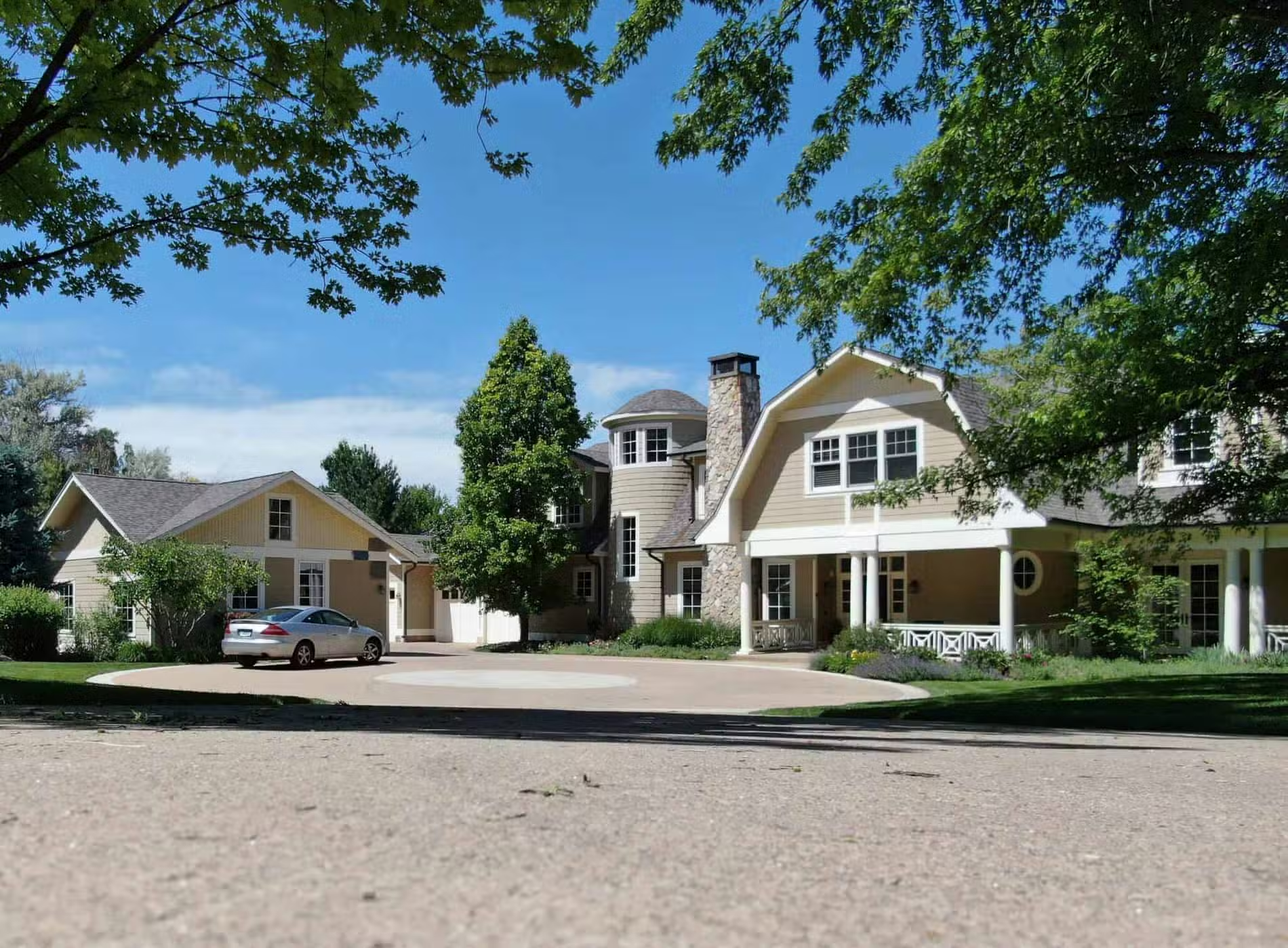
Georgian Revival and Colonial Revival structures tend to feature classic color schemes like warm beige, soft yellow, or muted blue, complemented by white trim and dark shutters. These colors highlight the home’s symmetrical design and classic details.
Craftsman
Craftsman homes embrace earthy hues like olive green, deep red, and warm brown. These colors harmonize with the natural materials and prominent woodwork characteristic of the style.
Ranch
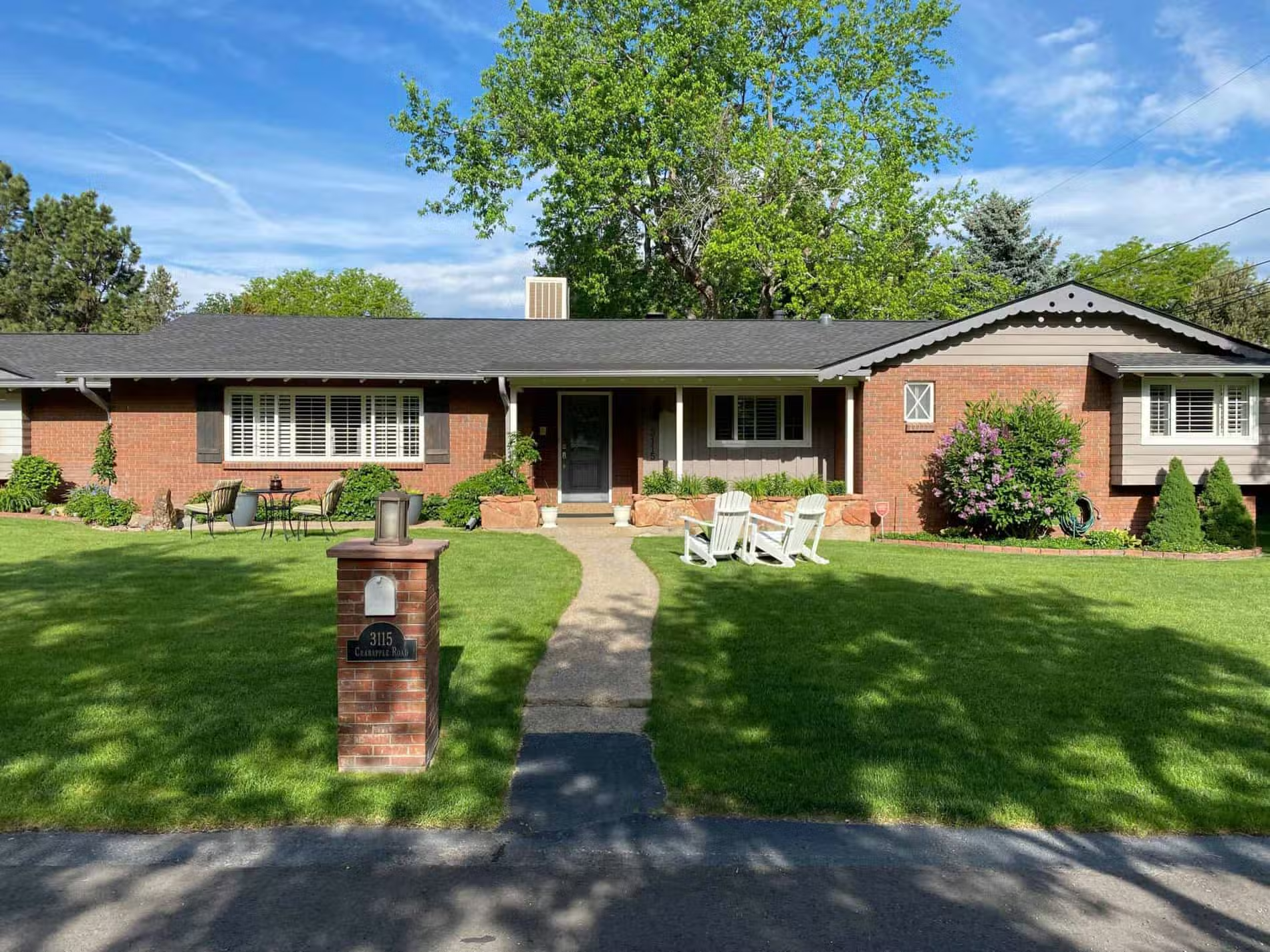
These homes look great in nature-inspired neutrals, such as sage green or warm taupe. These colors help the low-profile architecture blend seamlessly with the surrounding landscape.
Victorian
Queen Anne and Carpenter Gothic structures are known for their ornate details and multi-color palettes. Painting them typically incorporates three or more colors to accentuate the intricate trim, shingles, and architectural flourishes.
Mountain and Colorado-Style
Mountain Rustic and Mountain Modern homes in Colorado usually feature natural stone and heavy timber accents. Earthy colors like deep brown, forest green, and warm gray complement these materials and fit perfectly within the mountainous landscape.
House Painting Maintenance Tips
A professional paint job is an investment. With a bit of routine care, you can keep your home looking freshly painted and fully protected for years to come.
Clean Painted Surfaces
Gently wash exterior surfaces once a year with a low-pressure hose and a mild detergent to clean away dirt and mildew. Indoors, simply wipe smudges with a soft, damp cloth and mild soap.
Prevent Peeling and Cracking
Fix moisture issues like leaky gutters or poor drainage immediately, since water is the number one cause of peeling paint. Regularly check that caulking around windows and doors is still sealed tight.
Touch Up Problem Areas
Store leftover paint stored in a cool, dry place for future touchups. When a nick or a scratch happens, use a small brush or foam roller to apply paint just to the damaged area, blending the edges into the surrounding wall.
Protecting Exterior Paint From the Weather
Give your home’s exterior a quick inspection after severe weather, like a hailstorm or heavy snow. Catching and repairing small chips early prevents moisture from getting behind the paint and causing widespread damage.
Common House Painting Problems and Solutions
Understanding common painting issues helps you catch them early and fix them before they spread, saving you time and money.
Peeling Paint
Peeling happens when paint loses adhesion, often because of moisture trapped under the surface or painting over a dirty or wet surface. The solution involves scraping off the loose paint, addressing the source of moisture, and repriming the area before painting it.
Bubbling and Blistering
Bubbles form when paint is applied in direct sunlight or on a hot surface, causing the top layer to dry too quickly and trap solvent gases. The affected area must be scraped, sanded smooth, and repainted when the temperature cools down or the sun moves.
Fading Colors
Colorado’s intense, high-altitude sun will bleach colors over time. To fight the fading, use high-quality, UV-resistant 100% acrylic paints. Choosing lighter colors helps too, since they reflect light rather than absorb it.
Cracking and Flaking
Cracking happens when the paint film becomes brittle and loses flexibility, usually due to age or applying oil-based paint over latex. The damaged paint must be removed, and the surface primed before applying a flexible, high-quality topcoat that can handle temperature changes.
Streaking and Roller Marks
Streaks and lap marks result from poor application techniques or from painting in hot conditions, which cause the paint to dry too quickly. To avoid this issue, professional painters keep a wet edge by overlapping each stroke before it dries, and use high-quality roller covers.
Mold, Mildew, and Moisture Damage
Mildew thrives in damp, shaded areas and appears as dark spots on the paint. The surface must be thoroughly cleaned with a mildew-killing solution before applying paint with built-in antimicrobial blockers.
Paint Adhesion Problems
Poor adhesion is usually caused by preparing the surface too quickly, such as not cleaning or priming it properly. Thoroughly clean and sand down the area, and use the correct primer to make sure the new paint bonds securely.
How to Hire the Right House Painter
Working with a reputable and experienced company is nonnegotiable for a successful painting project. Here are a few things to remember when hiring a painter.
Questions to Ask Before Hiring
Ask potential contractors about their experience, licensing, and insurance. Discuss their preparation process, the specific products they use, and who will be managing the job site.
What to Look For in a Painting Estimate
A professional estimate should be detailed and transparent, outlining the scope of work, preparation steps, paint brands, and total costs. Watch out for quotes that lack specific details or seem suspiciously low, since they often indicate skipped preparation.
Licensing, Insurance, and Warranties
Make sure the contractor carries liability insurance and workers’ compensation coverage to protect you from legal and financial responsibility for injuries and damage. An established, credible company provides comprehensive warranties for exterior projects and is an EPA Lead-Safe Certified Firm.
Red Flags to Watch Out For
Be careful with contractors who ask for a large upfront deposit, lack proper insurance, or pressure you into making a quick decision. Look for companies that require no deposit until the job is done and you’re completely satisfied.
Why Local Painting Experience Matters in Colorado
Contractors who live and work here understand the specific challenges of painting in Colorado’s climate, from high-altitude UV rays to sudden temperature shifts. They know which products perform best in these conditions and schedule work to avoid weather-related issues.
House Painting Trends for 2026
Getting to know current trends helps you choose colors and finishes that keep your home looking sharp and up to date.
Popular Interior Paint Colors
Interior trends emphasize warm, organic neutrals and nature-inspired hues. Colors like the following are replacing stark whites and cool grays, creating spaces that feel grounded and welcoming:
- SW 6150 Universal Khaki
- Complex taupes
- Chalky whites
- Oatmeal
- Smoky, verdant, muted, and golden greens
- Plum
- Espresso
- Dusty terracottas
- Ethereal blues
- Faded pinks
Think depth and lived-in textures that are comforting instead of clinically polished.
Popular Exterior Paint Colors
Exterior styles are moving toward earthy mid-tones and intentional, moody accents. Homeowners are choosing colors like the following to provide depth and character without appearing overly trendy:
- Creamy whites
- Soft taupes
- Mushroom
- Charcoal
- Olive green
- Deep navy
These colors work beautifully for contrasts without the harsh black-and-white look, and tone-on-tone layering has also become common.
Sustainable and Low-VOC Paint
There’s a growing demand for eco-friendly paints that minimize environmental impact and improve indoor air quality. Low-VOC and zero-VOC options are now standard for high-quality interior projects.
Texture and Finish
Matte and flat finishes are increasingly popular for interior surfaces, offering a sophisticated, velvety look that hides imperfections. For exteriors, satin finishes offer a balance of durability and subtle elegance.
Smart Home and Paint Design Considerations
As smart home lighting becomes more prevalent, homeowners need to consider how adjustable LED temperatures affect paint colors. Testing colors under various lighting settings is essential for making sure that the paint looks great regardless of the illumination.
Get a Free House Painting Estimate in Colorado
Investing in a professional paint job enhances the beauty, the value, and the protection of your home. With over 40 years of experience, Colorado Commercial & Residential Painting delivers exceptional results through a stress-free process that requires no upfront deposits and offers an anytime cancellation policy. Our team of experts uses high-quality materials and proven techniques to make your home look its best for years to come. Contact CCRP today to schedule your free, comprehensive painting estimate and transform your property with confidence.